Farm animals
Girgentana Goat
Capra hircus girgentana
Species originDomesticated
Audio guide
Listen to the story of this animal
0:000:00
Girgentana Goat
- Description
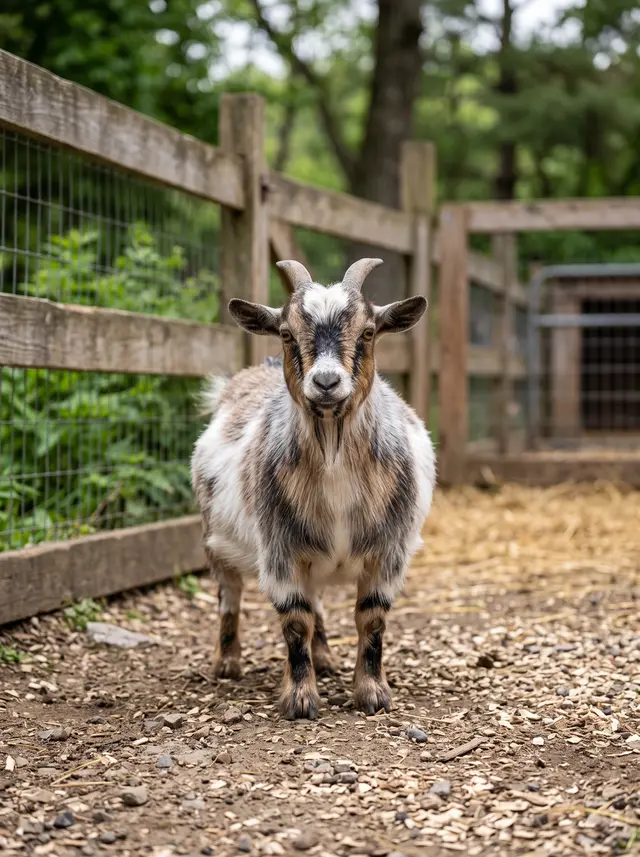
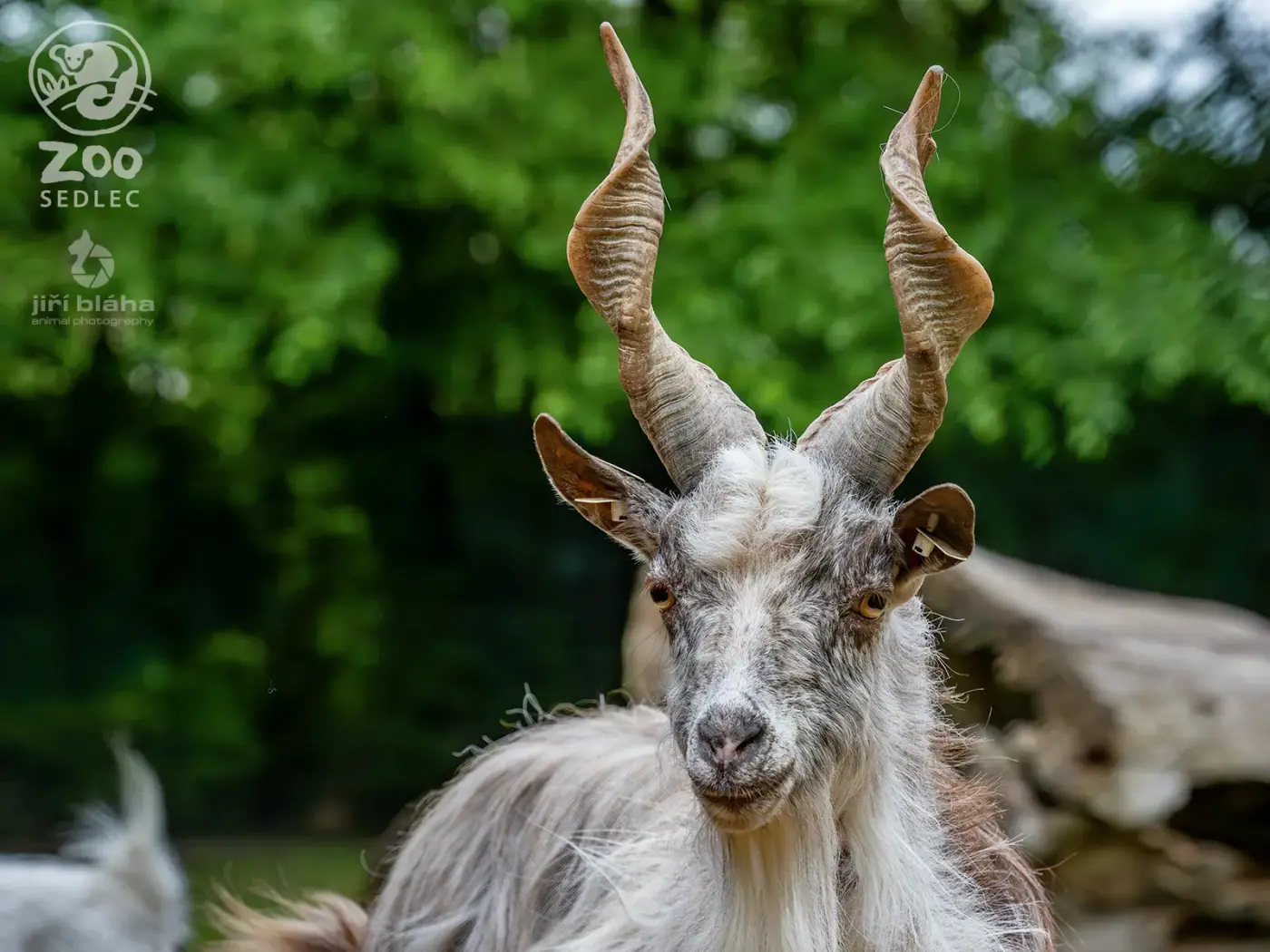
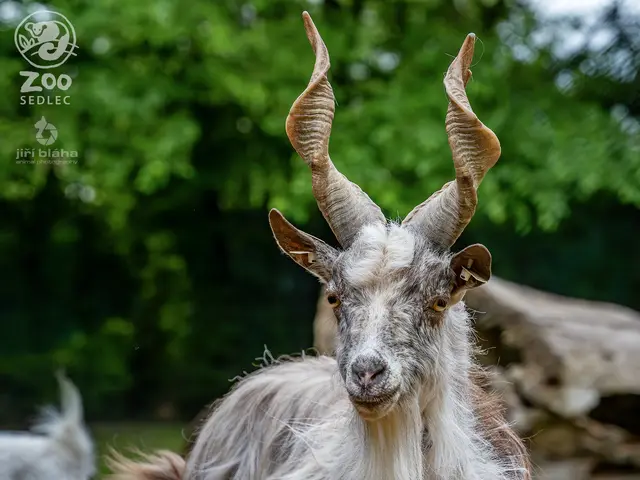
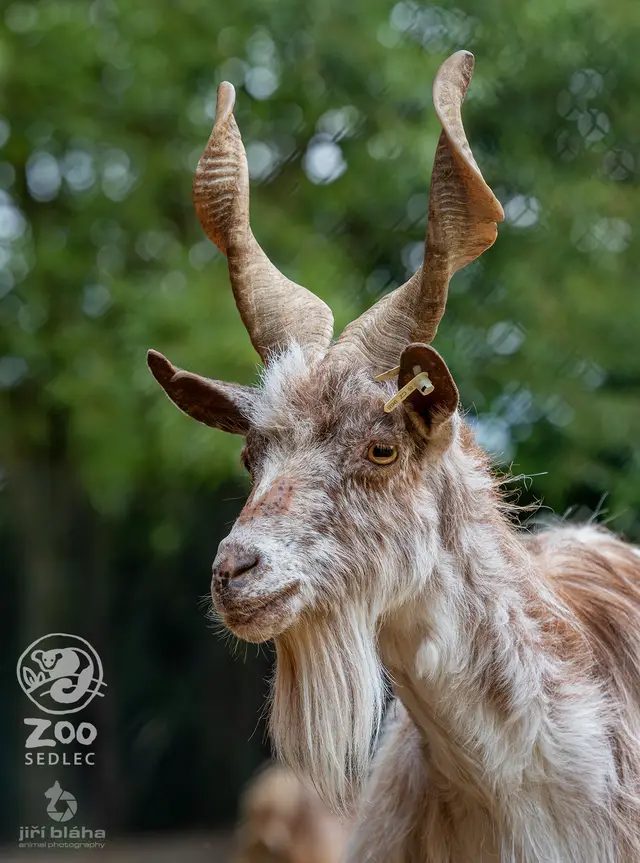
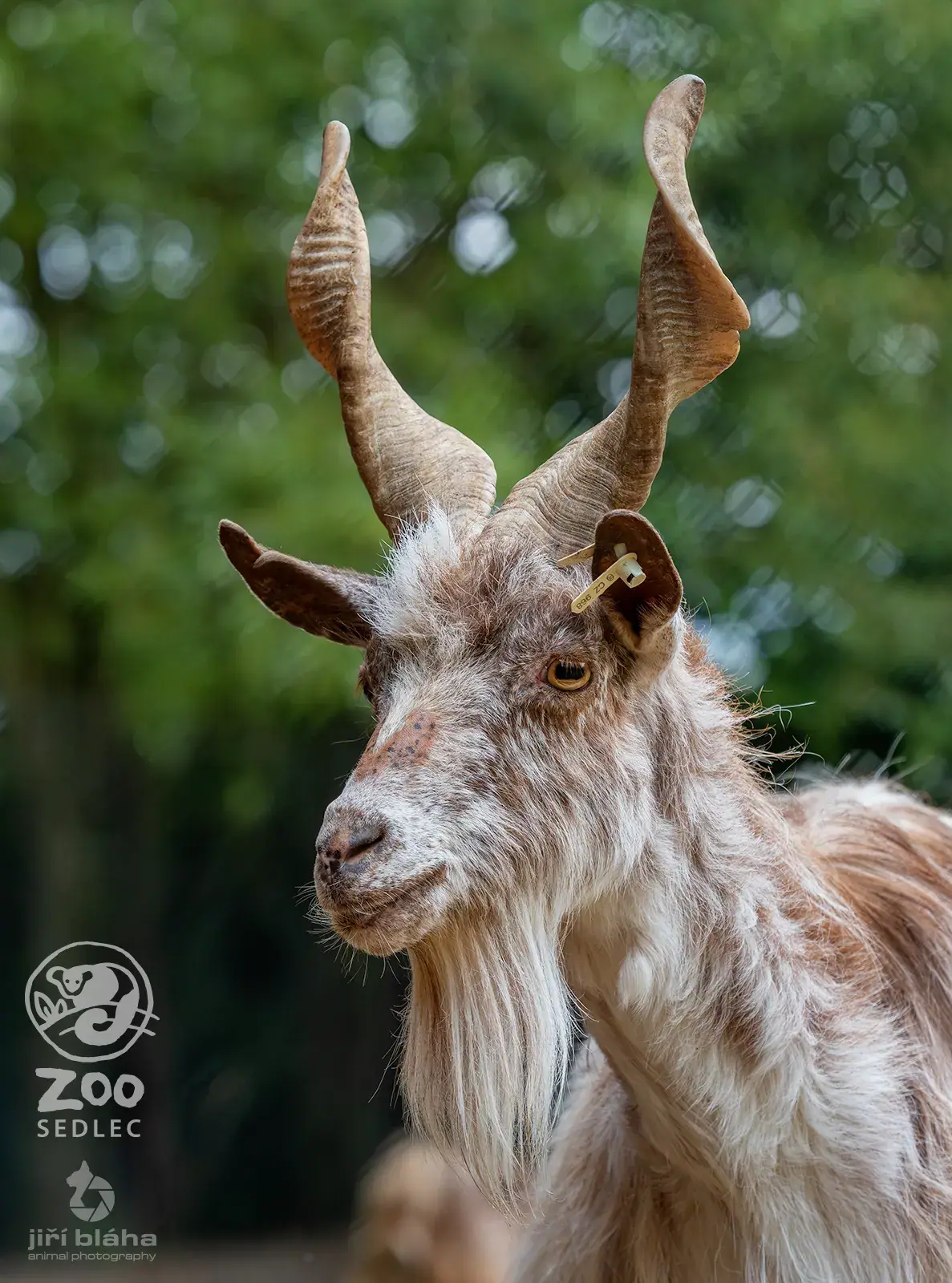
- The Girgentana is an old Italian dairy goat breed instantly recognisable by its striking corkscrew horns, which rise almost vertically and twist into a tight spiral. It has a long white to cream-coloured coat, a slender, elegant build and a fine head adorned with a small beard. Does stand around 80 cm at the withers and weigh roughly 46 kg, while bucks are a little taller and heavier at about 65 kg.
- Habitat
- This is a domestic breed rather than a wild animal, native to the province of Agrigento in southern Sicily, whose old name Girgenti gave the goat its name. It is well suited to hot, dry and rocky terrain, thriving on sparse pastures and scrubby hillsides where other breeds would struggle.
- Diet
- As a hardy browser and grazer it feeds on herbs, leaves, hay and the twigs of shrubs and trees, making good use of even poor and thorny vegetation.
- Reproduction
- Girgentana goats reach sexual maturity at around 7 to 8 months, though they are usually first mated from about one year of age. After a gestation of roughly 150 days, a doe typically gives birth to one or two kids, occasionally three.
- Lifespan
- These goats generally live for about 10 to 15 years.
- Did you know?
- The breed's dramatic spiral horns have led some experts to suggest it descends in part from the wild markhor (Capra falconeri) of Central Asia. Once on the brink of extinction, with only a few dozen animals left in the 1990s, the Girgentana is slowly recovering thanks to zoos and conservation programmes.
Homeland & habitat
Where the girgentana goat lives
Spin the globe to see where the species comes from and where it lives today.
Sicily, ItalyA domestic goat breed with striking spiral horns, developed in the dry, mountainous areas around Agrigento in Sicily, southern Italy.
Loading globe…
Native range
Drag to rotate · double-click to recentre on the homeland
10 facts about the girgentana goat
The cards keep rotating — hover with your mouse to pause them.
- GroupFarm animalsArtiodactyla (sudokopytníci) · Bovidae (turovití)
- Scientific nameCapra hircus girgentanaLatin name of the species
- Homeland & habitatChová se převážně v suchých a hornatých oblastech Sicílie, dobře se přizpůsobuje skromným podmínkám a pastvě na chudých loukách a křovinatých stráních.
- DietByliny, listí, seno, větve keřů a stromů
- ReproductionPohlavní dospělost: kolem 7–8 měsíců (častěji se připouští od 1 roku). Březost: cca 150 dní. Počet kůzlat: obvykle 1–2, výjimečně 3.
- LifespanPřibližně 10–15 let.
- Conservation statusDomesticatedA domesticated form — not found in the wild
- Did you know…?Toto plemeno bylo kdysi na pokraji vyhynutí – v 80. letech 20. století zůstalo jen několik stovek jedinců.
- Where in the zooArea A — the farm animal yard
- How many we keep♂ 3 · ♀ 9 · 2 youngtotal: 14
Support the care of our animals
A symbolic adoption contributes to feeding, veterinary care and the development of the exhibits — and you get a certificate and updates about your animal.
Browse adoptions