
Kangaroos
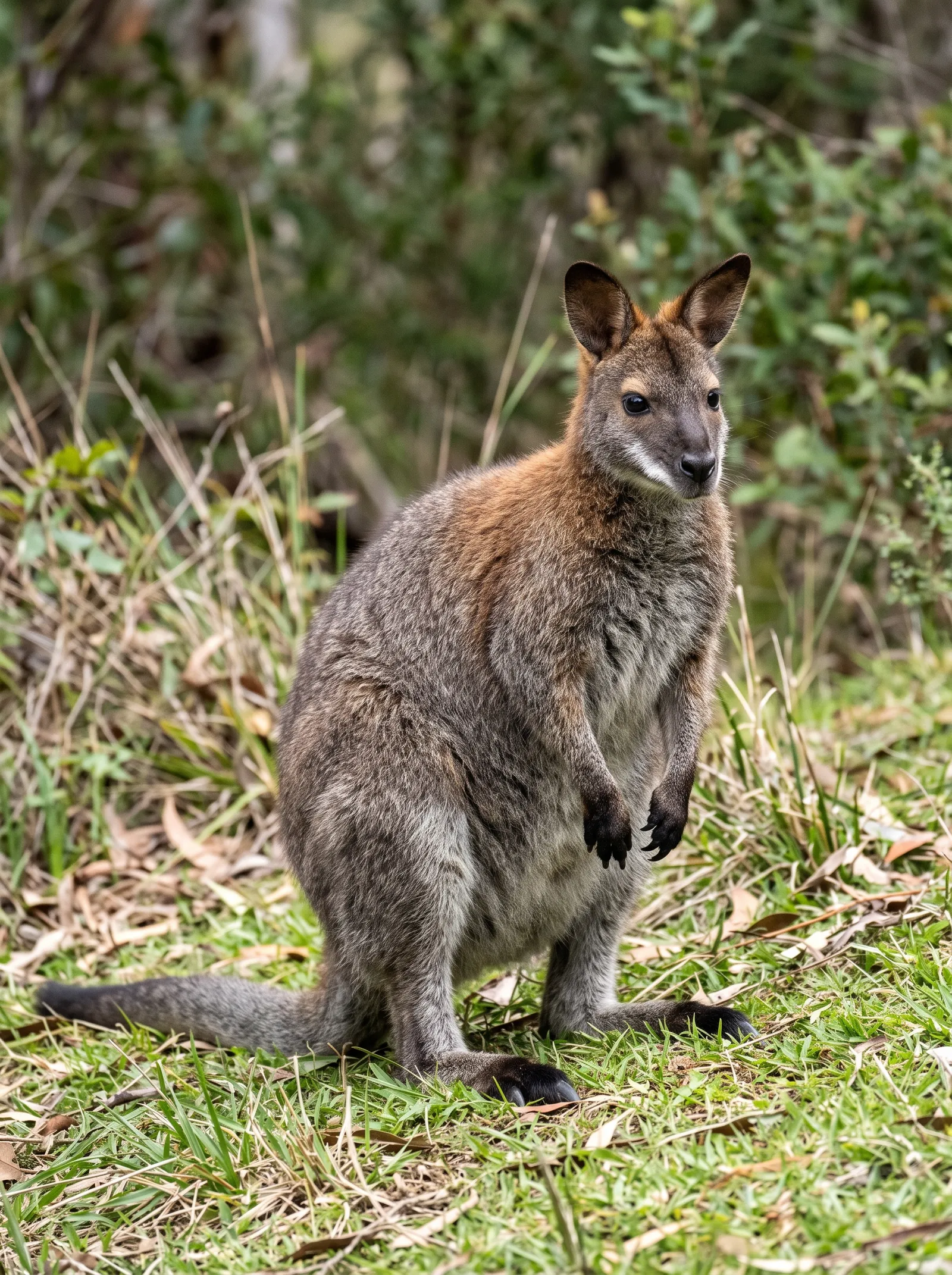
Bennett's wallaby
Macropus rufogriseus fruticus
IUCN Red ListLeast Concern
Bennett's wallaby
- Description
- The Tasmanian subspecies of the red-necked wallaby. The body measures 70–90 cm with a further 65–75 cm of tail; males weigh 15–27 kg, females 11–15 kg. The coat is grey-brown with a pronounced rusty tone on the nape and shoulders, there is a white stripe on the muzzle and the paws have black tips. It is stockier and more thickly furred than the mainland form.
- Habitat
- Tasmania and the islands of the Bass Strait. It inhabits eucalypt forest with dense undergrowth, scrub and the edges of pasture, where it emerges at dusk.
- Diet
- A herbivore — grasses, herbs, leaves and roots. It grazes mainly at dusk and by night, resting under cover during the day.
- Reproduction
- Gestation lasts a mere thirty days and a single young the size of a bean is born, climbing into the pouch by itself. There it stays for about nine months. The female can halt the development of the next embryo until the pouch is free.
- Lifespan
- 9–15 years in the wild, over 18 years in human care.
- Did you know?
- A female may care for three offspring at once at completely different stages: a well-grown joey at her heels, a tiny one attached in the pouch, and a paused embryo that only starts to grow when the pouch becomes free. She produces milk of a different composition for each.
Homeland & habitat
Where the bennett's wallaby lives
Spin the globe to see where the species comes from and where it lives today.
Tasmania (Australia)The Tasmanian subspecies of the red-necked wallaby inhabits eucalypt forest and scrub in Tasmania and the Bass Strait islands; small feral populations survive in Europe too.
Loading globe…
Native rangeIntroduced / also today
Drag to rotate · double-click to recentre on the homeland
9 facts about the bennett's wallaby
The cards keep rotating — hover with your mouse to pause them.
- GroupKangaroosVačnatci (Diprotodontia) · Klokanovití (Macropodidae)
- Scientific nameMacropus rufogriseus fruticusLatin name of the species
- Homeland & habitatTasmánie a ostrovy v Bassově průlivu. Obývá eukalyptové lesy s hustým podrostem, křoviny a okraje pastvin, kam vychází za soumraku.
- DietBýložravec — traviny, byliny, listy a kořínky. Pase se hlavně za šera a v noci, přes den odpočívá v úkrytu.
- ReproductionBřezost trvá pouhých třicet dní a rodí se jediné mládě velké jako fazole, které samo doleze do vaku. Tam zůstává zhruba devět měsíců. Samice umí zastavit vývoj dalšího zárodku, dokud se vak neuvolní.
- LifespanVe volné přírodě 9–15 let, v lidské péči i přes 18 let.
- Conservation statusLeast ConcernAccording to the IUCN Red List
- Did you know…?Samice může pečovat o tři potomky najednou v naprosto odlišných fázích vývoje: odrostlé mládě, které běhá u nohy, drobné mládě přisáté ve vaku a zabrzděné embryo, jež začne růst teprve tehdy, až se vak uvolní. Každému přitom vyrábí mléko o jiném složení.
- Where in the zooArea A — aviaries and exhibits
Conservation status
Species vulnerability index
Least Concern
Near Threatened
Vulnerable
Endangered
Critically Endangered
Podle IUCN málo dotčený druh (Least Concern), v Tasmánii je běžný.
Support the care of our animals
A symbolic adoption contributes to feeding, veterinary care and the development of the exhibits — and you get a certificate and updates about your animal.
Browse adoptionsWho you'll meet nearby
Full encyclopaedia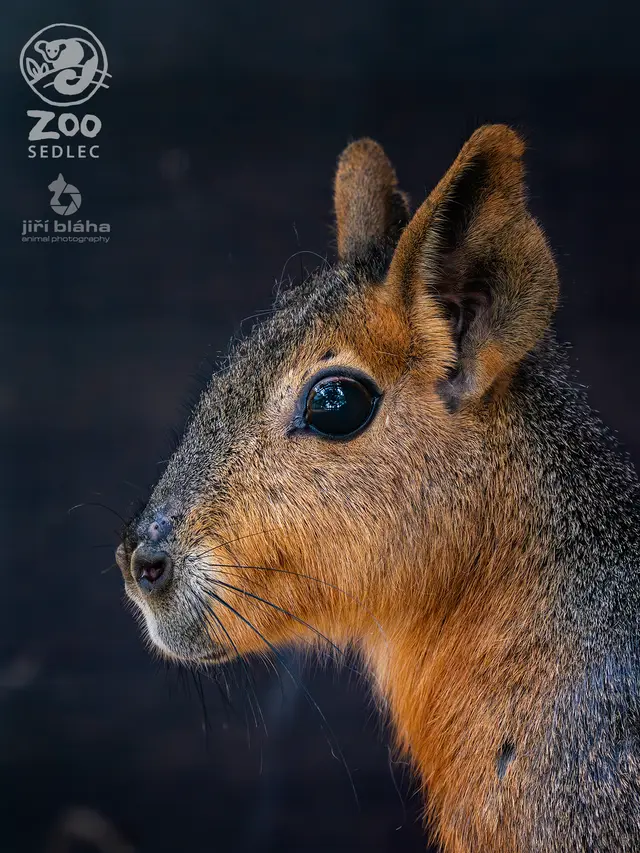
Rodents
Patagonian MaraDolichotis patagonum
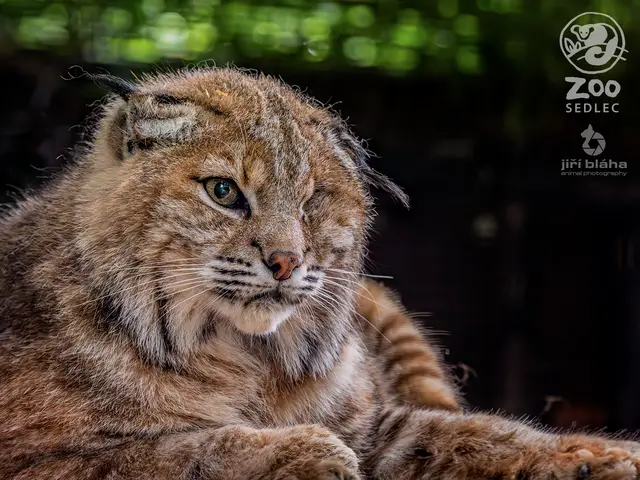
Carnivores
BobcatLynx rufus
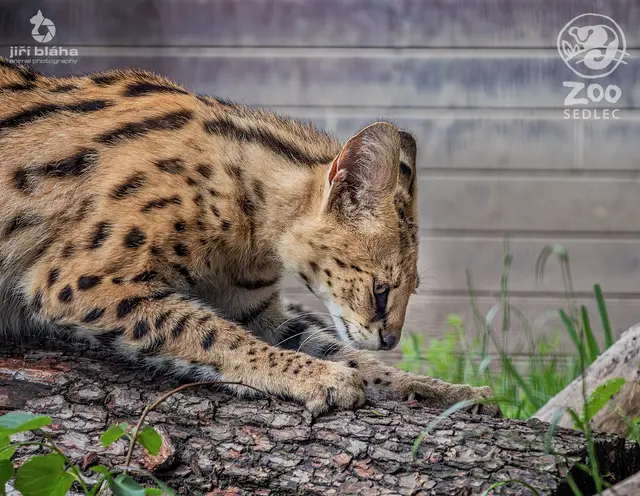
Carnivores
ServalLeptailurus servalFeedingRegular schedule outside weekend eventsWed · October weekend programme: times at the entrance.
Hoofed animals
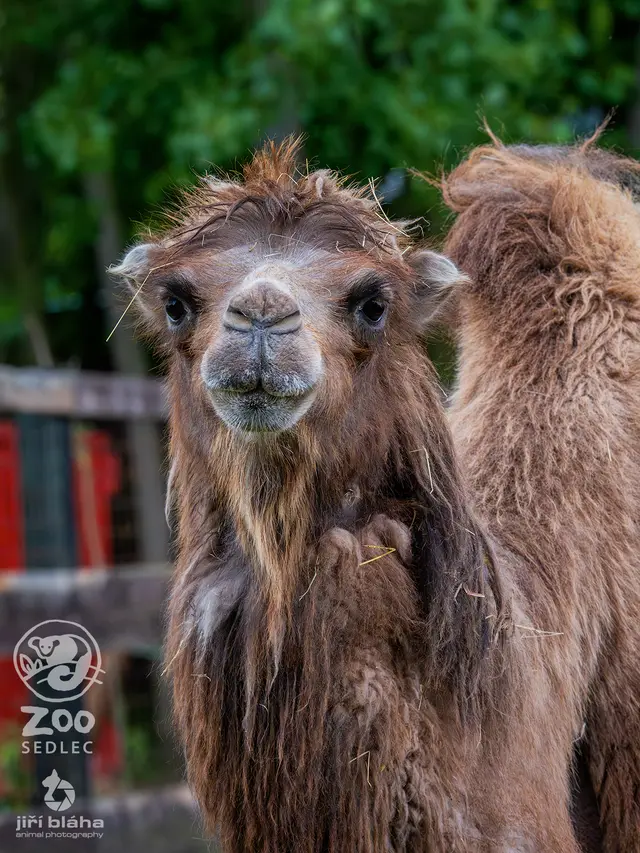
Bactrian CamelCamelus bactrianusFeedingRegular schedule outside weekend eventsTue · October weekend programme: times at the entrance.