
Carnivores
Bobcat
Lynx rufus
IUCN Red ListLeast Concern
Audio guide
Listen to the story of this animal
0:000:00
Bobcat
- Description
- The bobcat is a medium-sized wild cat of North America, reaching 65–105 cm in body length and weighing 6–18 kg. It has reddish-brown fur marked with dark spots, a white belly, short ear tufts and a short, black-tipped tail that gives the species its name. It looks like a smaller relative of the Eurasian lynx but has shorter legs.
- Habitat
- The bobcat ranges widely across North America, from southern Canada through the United States to Mexico. It is highly adaptable and lives in coniferous and deciduous forests, scrubland, grassland, swamps, desert edges and mountains, and is often found close to human settlements.
- Diet
- A skilled predator, the bobcat feeds mainly on smaller mammals such as rabbits, hares and rodents, along with birds and reptiles, and will occasionally take deer fawns.
- Reproduction
- Bobcats are not monogamous. Gestation lasts about 60 days, after which the female gives birth to 2–4 kittens in a sheltered den.
- Lifespan
- In the wild bobcats typically live 7–10 years, while in human care they can reach up to 20 years.
- Did you know?
- The bobcat moves almost silently and often goes unnoticed even near people. It is an excellent climber and swimmer, and can hold a territory of up to 30 km² which it marks with scent.
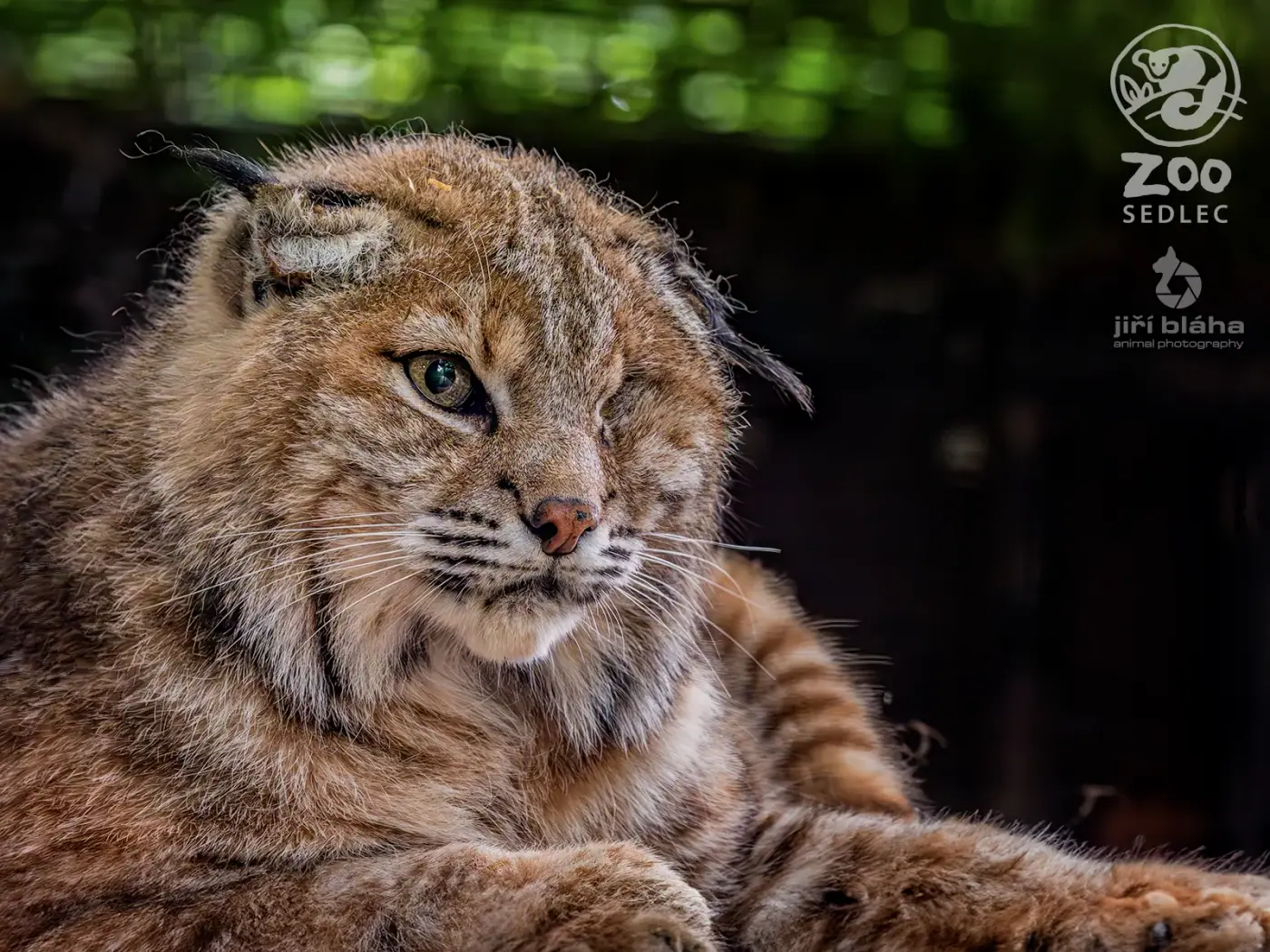
Homeland & habitat
Where the bobcat lives
Spin the globe to see where the species comes from and where it lives today.
North AmericaAn adaptable wildcat inhabiting forests, scrubland, steppe and desert edges from southern Canada across the United States to Mexico.
Loading globe…
Native range
Drag to rotate · double-click to recentre on the homeland
10 facts about the bobcat
The cards keep rotating — hover with your mouse to pause them.
- GroupCarnivoresŠelmy (Carnivora) · Kočkovití (Felidae)
- Scientific nameLynx rufusLatin name of the species
- Homeland & habitatObývá širokou škálu prostředí – od jehličnatých i listnatých lesů, přes křovinaté oblasti, stepi, bažiny až po pouštní okraje a horské oblasti Severní Ameriky (Kanada až Mexiko). Je velmi přizpůsobivý a vyskytuje se i poblíž lidských sídel.
- DietDravec – živí se hlavně menšími savci (králíci, zajíci, hlodavci), ptáky, plazy a příležitostně i jeleními kolouchy.
- ReproductionRys červený není monogamní. Březost trvá asi 60 dní, samice rodí 2–4 mláďata v doupěti.
- LifespanV přírodě 7–10 let, v zajetí až 20 let.
- Conservation statusLeast ConcernAccording to the IUCN Red List
- Did you know…?Rys červený má velmi tichý pohyb a často zůstává nepozorován i v blízkosti lidí. Je vynikající lezec a plavec. Dokáže si udržet teritorium až 30 km² a značkuje jej pachovými stopami.
- Where in the zooArea B — enclosures among the pools
- How many we keep♂ 1 · ♀ 0 · 2 youngtotal: 3
Conservation status
Species vulnerability index
Least Concern
Near Threatened
Vulnerable
Endangered
Critically Endangered
Podle IUCN je druh hodnocen jako Least Concern (málo dotčený
Adopting the bobcat helps far beyond the zoo
A symbolic adoption contributes to feeding, veterinary care and the development of the exhibits — and you get a certificate and updates about your animal.
Adopt: BobcatWho you'll meet nearby
Full encyclopaedia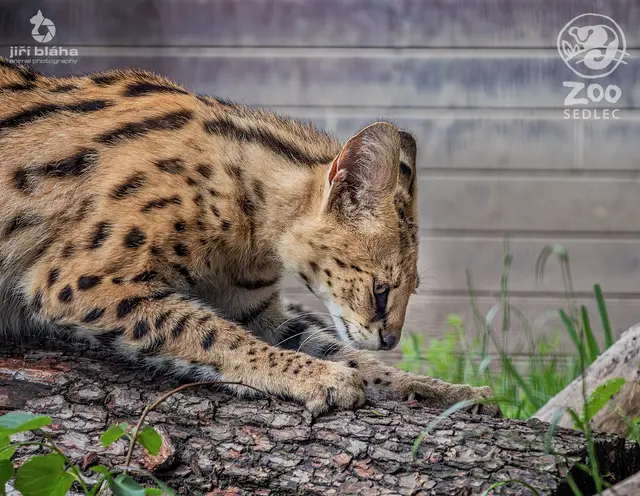
Carnivores
ServalLeptailurus servalFeedingRegular schedule outside weekend eventsWed · October weekend programme: times at the entrance.
Carnivores
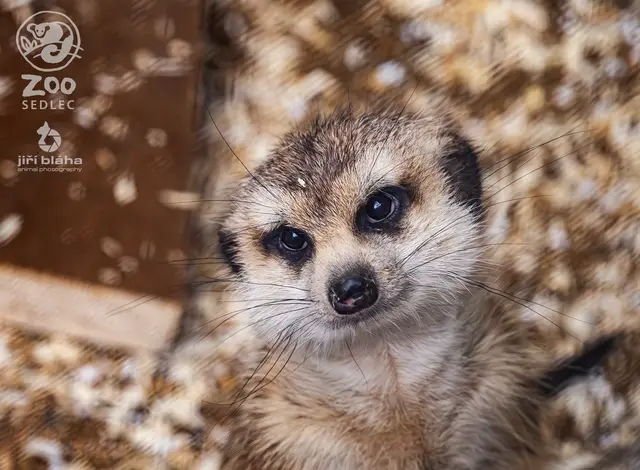
MeerkatSuricata suricattaFeedingRegular schedule outside weekend eventsDaily · October weekend programme: times at the entrance.
Carnivores
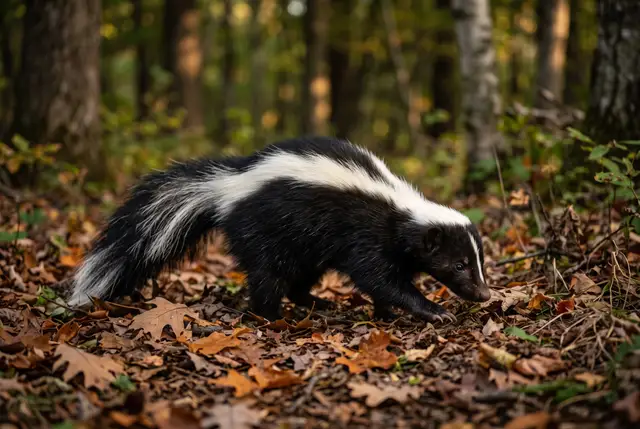
Striped skunkmephitis mephitisFeedingRegular schedule outside weekend eventsMon · October weekend programme: times at the entrance.
Carnivores
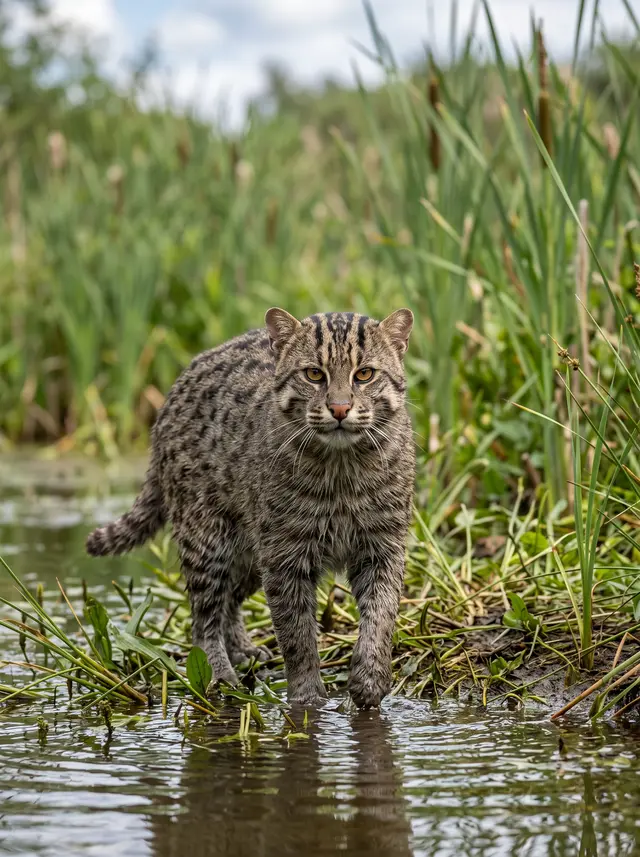
Fishing catPrionailurus viverrinus