Hoofed animals
Bactrian Camel
Camelus bactrianus
When to see us feeding
Regular schedule outside weekend events
- Tuesday ·
10 October – 1 November 2026 · Open every day, 9:00–18:00, on weekdays and weekends. The special October programme takes place at weekends.
The regular feeding schedule continues on weekdays throughout October. On weekends from 10 October to 1 November, check the programme and the entrance for times.
Audio guide
Listen to the story of this animal
Bactrian Camel
- Description
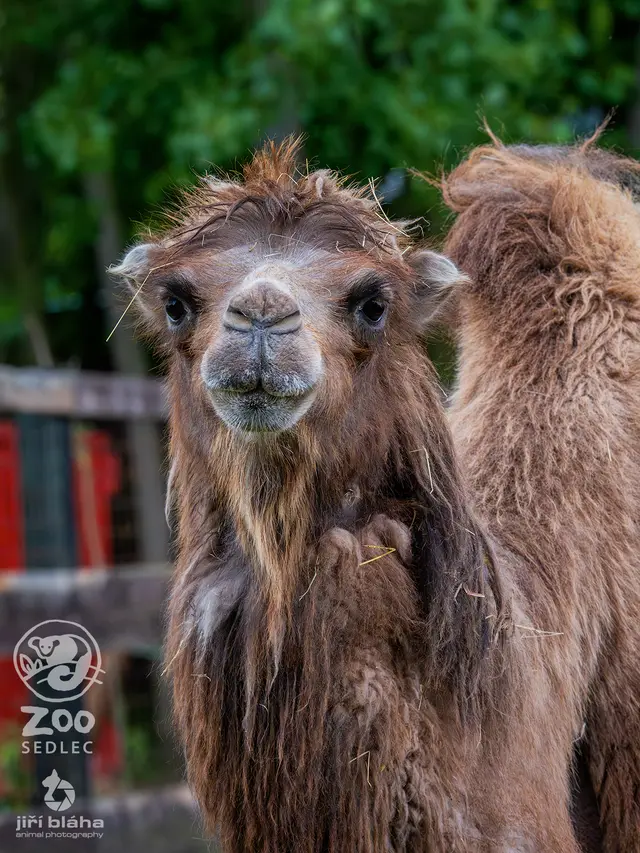
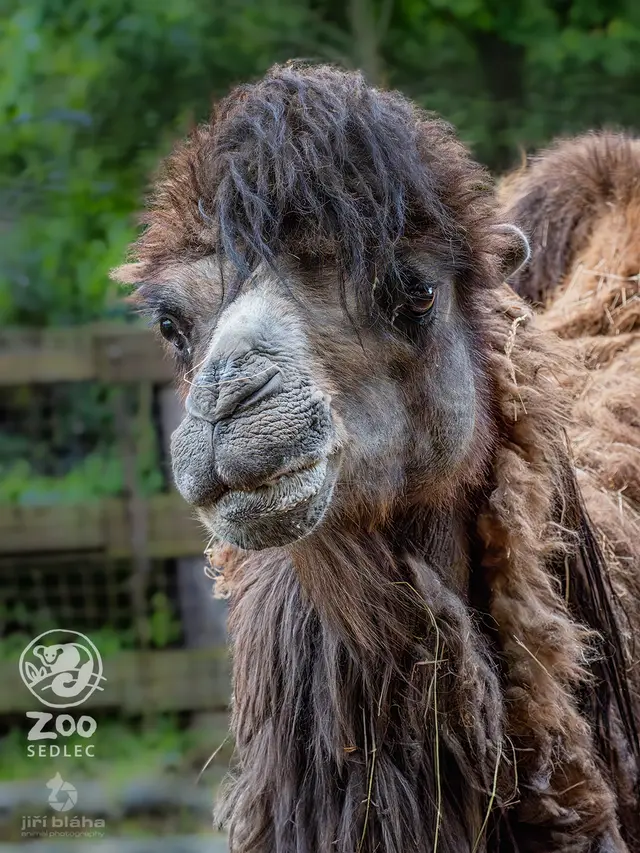
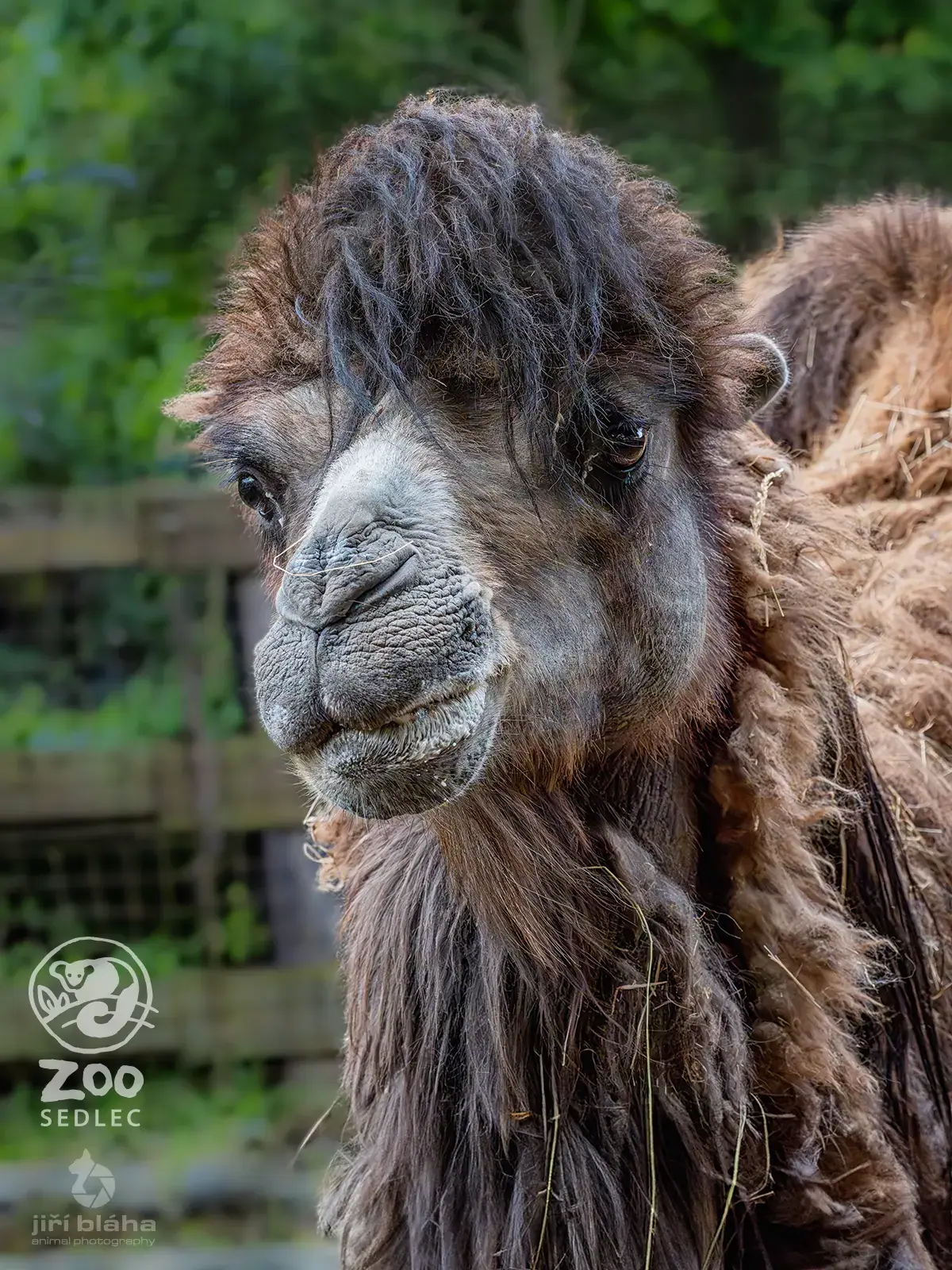
- A large, even-toed ungulate instantly recognisable by the two prominent humps on its back, which store fat rather than water. It reaches up to 2.3 m at the shoulder and weighs 450-650 kg, and its thick woolly coat protects it from both bitter cold and searing heat before being shed in ragged clumps each summer. Long legs and broad, cushioned pads let it walk easily across sand and snow alike.
- Habitat
- The Bactrian camel is native to the semi-deserts and steppes of Central Asia, ranging historically from Kazakhstan and Mongolia to north-western China, including the Gobi Desert. It is well adapted to a harsh continental climate with extreme temperature swings.
- Diet
- A herbivorous grazer and browser, it feeds on grasses and tough, dry vegetation, and can cope with prickly, bitter or salty plants that other animals avoid.
- Reproduction
- Gestation lasts about 13 months, after which the female usually gives birth to a single calf. The young camel suckles for up to 1.5 years before becoming fully independent.
- Lifespan
- Bactrian camels typically live around 30 to 40 years.
- Did you know?
- A Bactrian camel can lose 25-30% of its body water without coming to harm, then rehydrate rapidly by drinking a huge amount at once - an adaptation that lets it survive in arid deserts.
Homeland & habitat
Where the bactrian camel lives
Spin the globe to see where the species comes from and where it lives today.
Central AsiaThe Bactrian camel originates from the semi-deserts and steppes of Central Asia, with wild populations surviving in Mongolia and northern China.
Drag to rotate · double-click to recentre on the homeland
10 facts about the bactrian camel
The cards keep rotating — hover with your mouse to pause them.
- GroupHoofed animalsArtiodactyla (sudokopytníci) · Camelidae (velbloudovití)
- Scientific nameCamelus bactrianusLatin name of the species
- Homeland & habitatpolopouště střední Asie
- DietPastevec a spásač
- ReproductionBřezost 13 měsíců. Samice rodí většinou 1 mládě, které saje až 1,5 roku.
- Lifespan30–40 let.
- Conservation statusLeast ConcernAccording to the IUCN Red List
- Did you know…?Velbloud může ztratit až 25–30 % tělesné vody, aniž by uhynul
- Where in the zooArea B — enclosures among the pools
- How many we keep♂ 1 · ♀ 1total: 2
Conservation status
Species vulnerability index
není ohrožen.
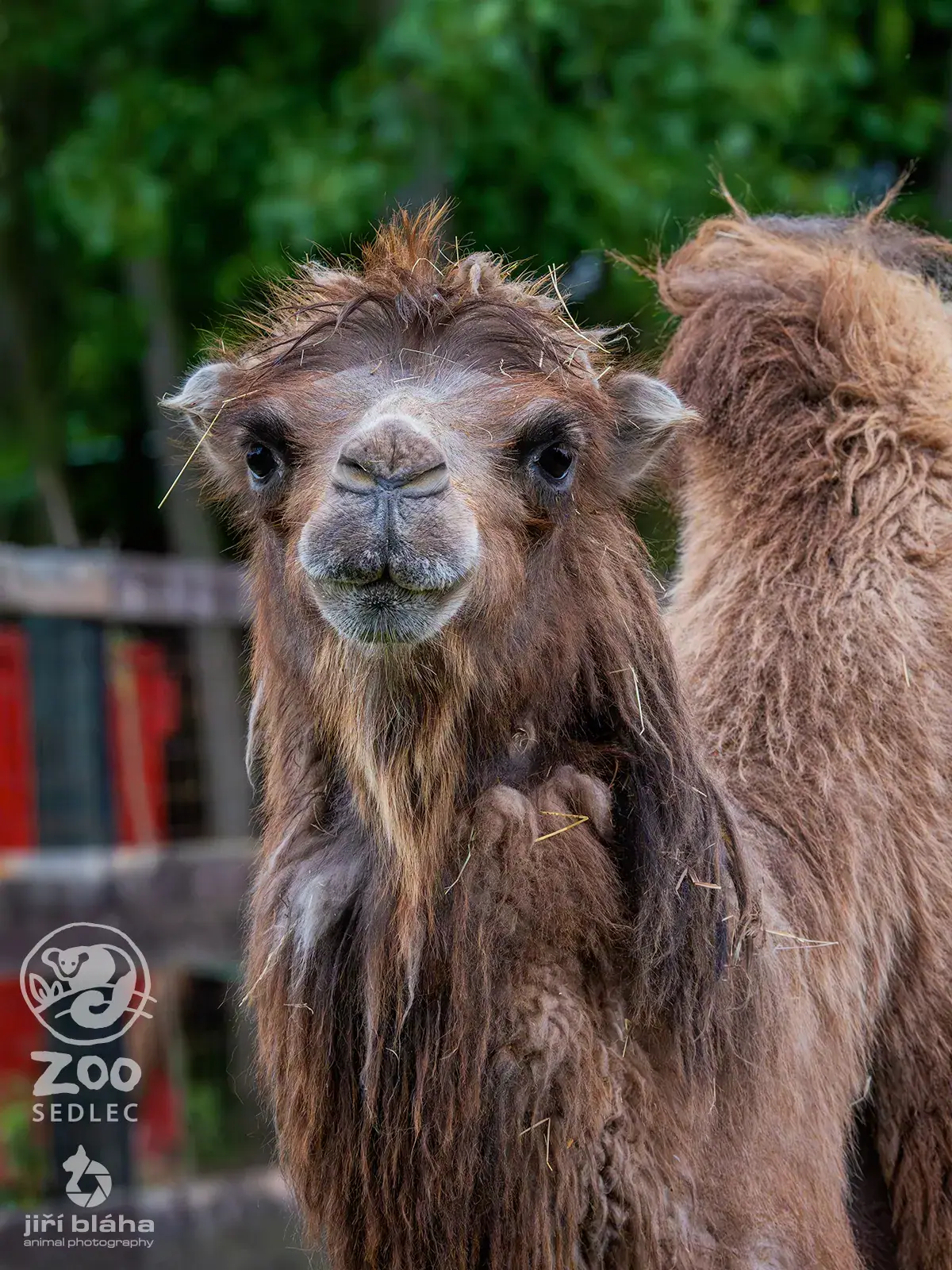
Adopting the bactrian camel helps far beyond the zoo
A symbolic adoption contributes to feeding, veterinary care and the development of the exhibits — and you get a certificate and updates about your animal.
Adopt: Bactrian Camel