
Carnivores
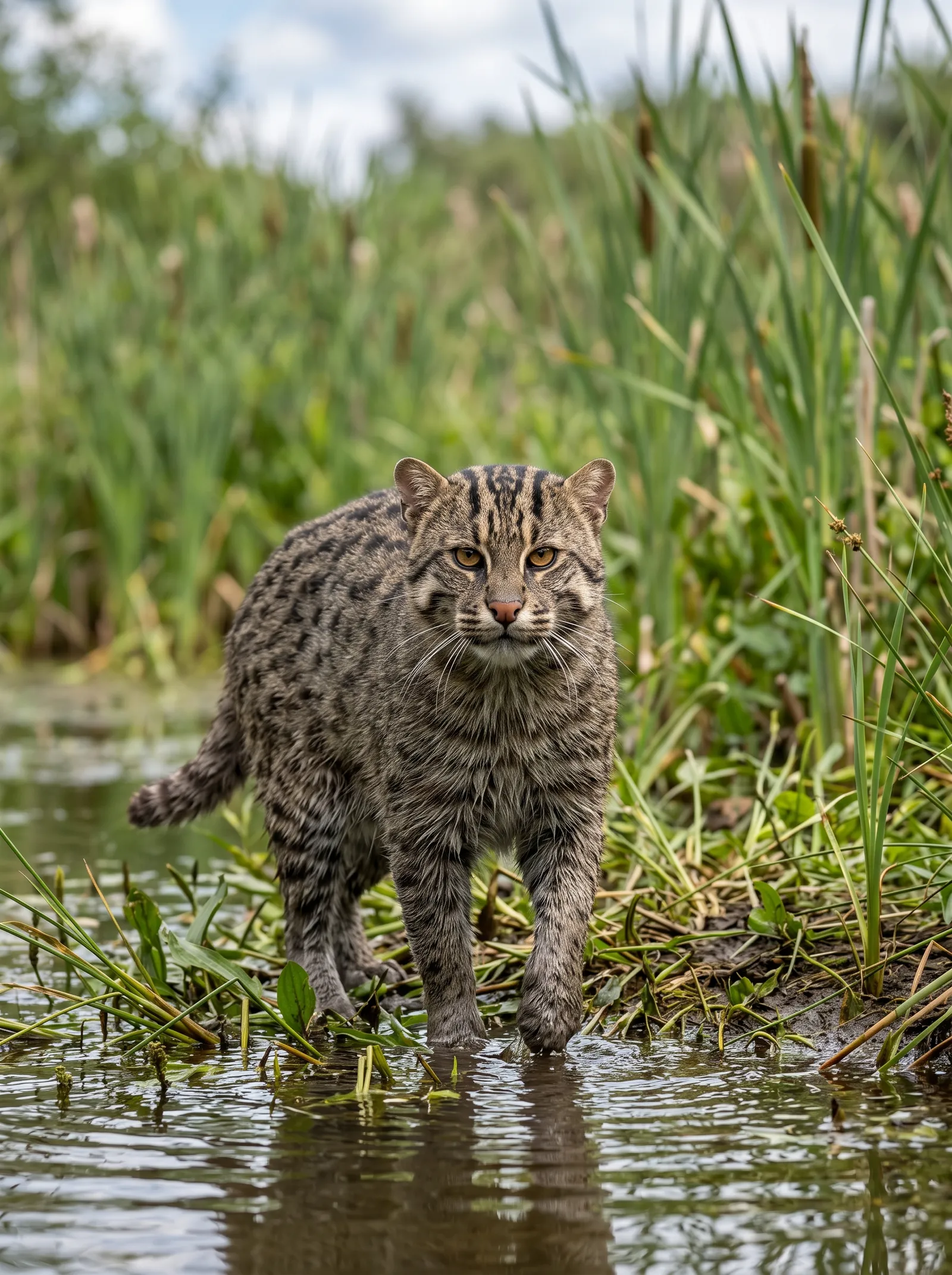
Fishing cat
Prionailurus viverrinus
IUCN Red ListVulnerable
Fishing cat
- Description
- A powerfully built, stocky cat with short legs and a strikingly short, thick tail. The body measures 57–78 cm, the tail 25–33 cm, and the weight ranges from 5 to 16 kg, with males considerably heavier. Rows of dark spots run lengthwise along the olive-grey coat, and the toes of the front paws are partly webbed.
- Habitat
- Wetlands, mangroves, marshes, flooded forest and densely overgrown river banks in southern and south-eastern Asia — India, Nepal, Bangladesh, Sri Lanka and Thailand. It is tied to water more closely than any other cat.
- Diet
- Fish make up roughly three quarters of its diet, supplemented by frogs, crustaceans, aquatic insects, rodents, birds and snakes. It hunts from the bank with a lightning strike of the paw, but will readily dive after prey as well.
- Reproduction
- Gestation lasts 63–70 days and the female usually bears 1–4 kittens in dense reeds or a hollow. Their eyes open at around two weeks, they meet water very early, and they become independent at nine to ten months.
- Lifespan
- About 10 years in the wild, 12–15 years in human care.
- Did you know?
- Far from avoiding water, it seeks it out. To attract fish it taps the surface with a paw, imitating an insect falling in. It can swim underwater and take a waterbird from below.
Homeland & habitat
Where the fishing cat lives
Spin the globe to see where the species comes from and where it lives today.
South and South-East AsiaIt lives in wetlands, mangroves and flooded forest from India and Sri Lanka to Indochina; tied to water more closely than any other cat, it is declining fast as wetlands are drained.
Loading globe…
Native range
Drag to rotate · double-click to recentre on the homeland
9 facts about the fishing cat
The cards keep rotating — hover with your mouse to pause them.
- GroupCarnivoresŠelmy (Carnivora) · Kočkovití (Felidae)
- Scientific namePrionailurus viverrinusLatin name of the species
- Homeland & habitatMokřady, mangrovové porosty, bažiny, zaplavované lesy a hustě zarostlé břehy řek v jižní a jihovýchodní Asii — v Indii, Nepálu, Bangladéši, na Srí Lance a v Thajsku. Na vodu je vázaná víc než kterákoli jiná kočka.
- DietRyby tvoří zhruba tři čtvrtiny jídelníčku. Doplňují je žáby, korýši, vodní hmyz, hlodavci, ptáci a hadi. Loví z břehu bleskovým hmatem tlapy, ale za kořistí se bez váhání i potápí.
- ReproductionBřezost trvá 63–70 dní a samice rodí obvykle 1–4 koťata v hustém rákosí nebo v dutině. Oči otevírají kolem dvou týdnů, s vodou se seznamují velmi brzy a samostatná jsou v devíti až deseti měsících.
- LifespanVe volné přírodě kolem 10 let, v lidské péči 12–15 let.
- Conservation statusVulnerableAccording to the IUCN Red List
- Did you know…?Vody se nebojí — naopak. Aby přilákala ryby, poklepává tlapkou na hladinu a napodobuje tak dopadající hmyz. Umí plavat i pod hladinou a ulovit vodního ptáka zespodu.
- Where in the zooArea B — enclosures among the pools
Conservation status
Species vulnerability index
Least Concern
Near Threatened
Vulnerable
Endangered
Critically Endangered
Podle IUCN zranitelný druh (Vulnerable). Hlavní hrozbou je vysoušení a přeměna mokřadů na zemědělskou půdu.
Support the care of our animals
A symbolic adoption contributes to feeding, veterinary care and the development of the exhibits — and you get a certificate and updates about your animal.
Browse adoptionsWho you'll meet nearby
Full encyclopaedia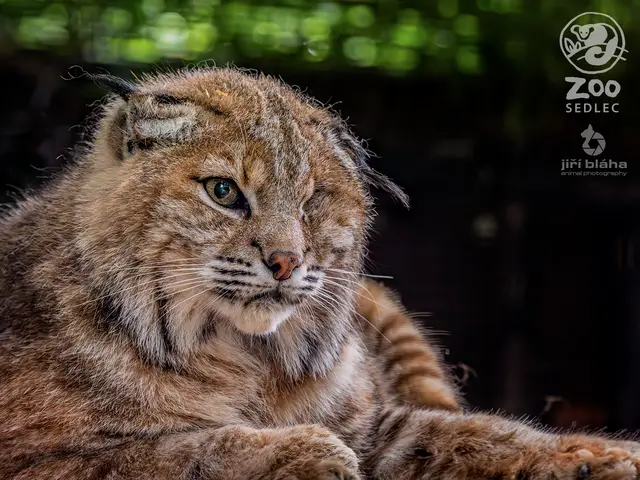
Carnivores
BobcatLynx rufus
Carnivores
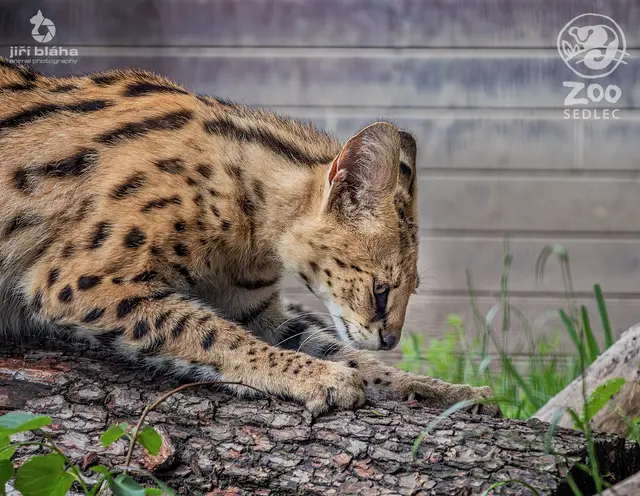
ServalLeptailurus servalFeedingRegular schedule outside weekend eventsWed · October weekend programme: times at the entrance.
Carnivores
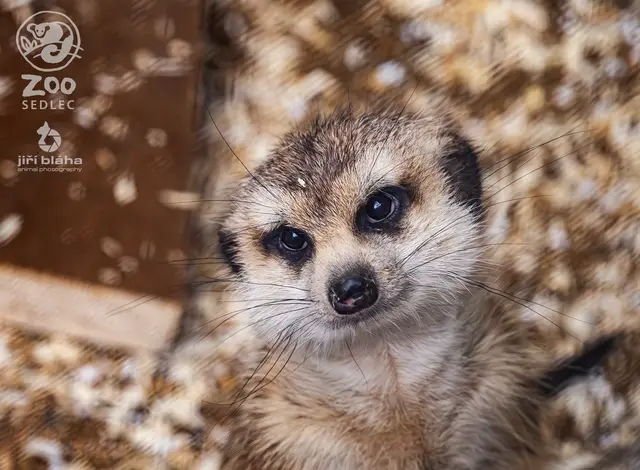
MeerkatSuricata suricattaFeedingRegular schedule outside weekend eventsDaily · October weekend programme: times at the entrance.
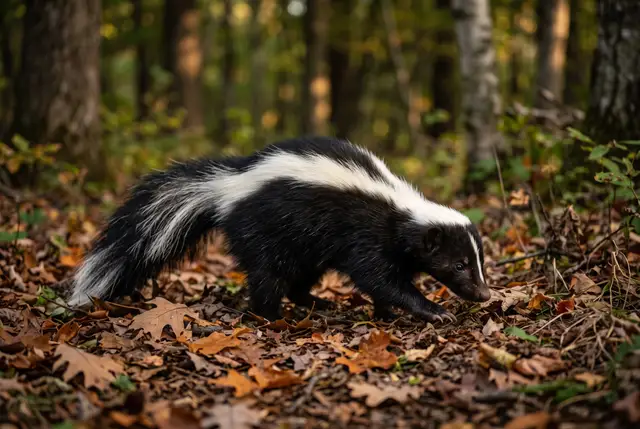
Carnivores
Striped skunkmephitis mephitisFeedingRegular schedule outside weekend eventsMon · October weekend programme: times at the entrance.