Farm animals
Rooster (Domestic Chicken)
Gallus gallus f. domestica
Species originDomesticated
Audio guide
Listen to the story of this animal
0:000:00
Rooster (Domestic Chicken)
- Description
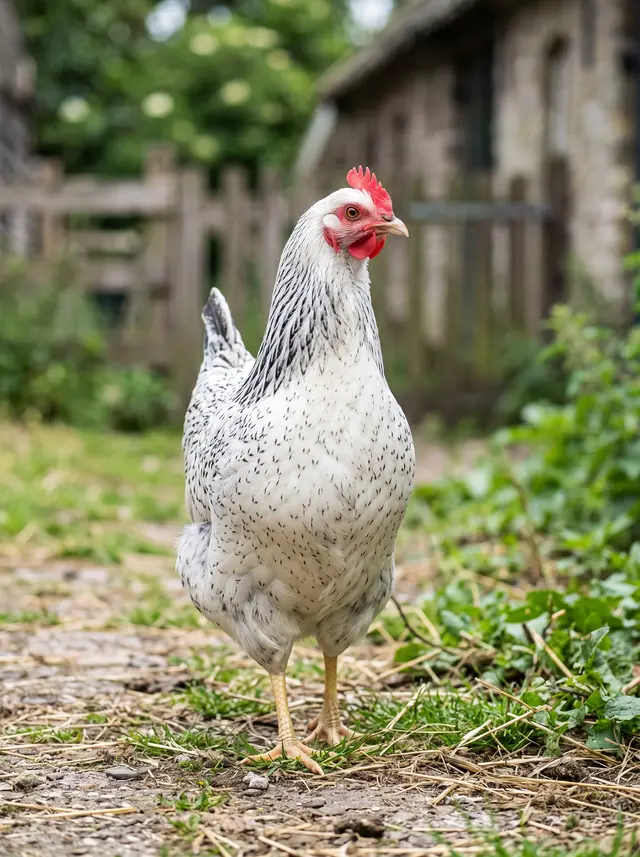
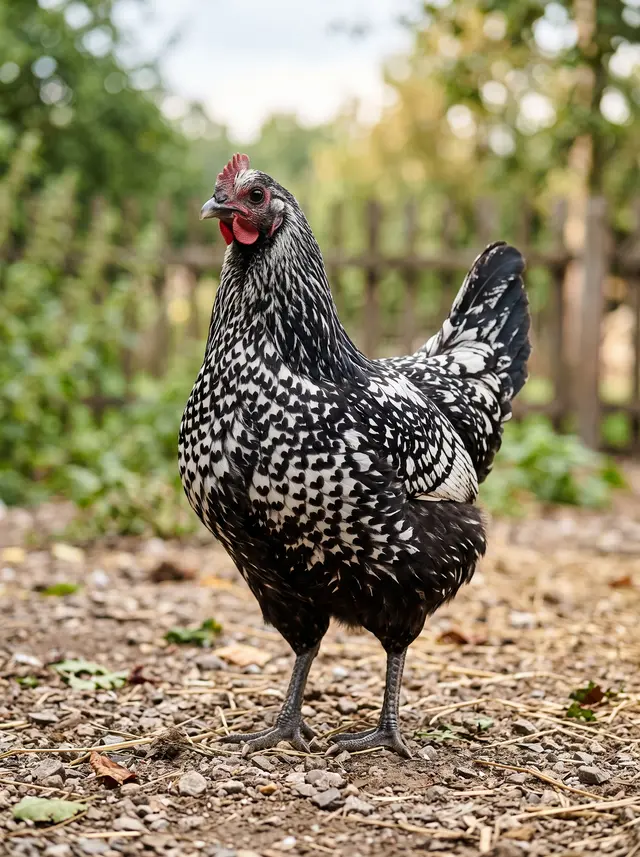
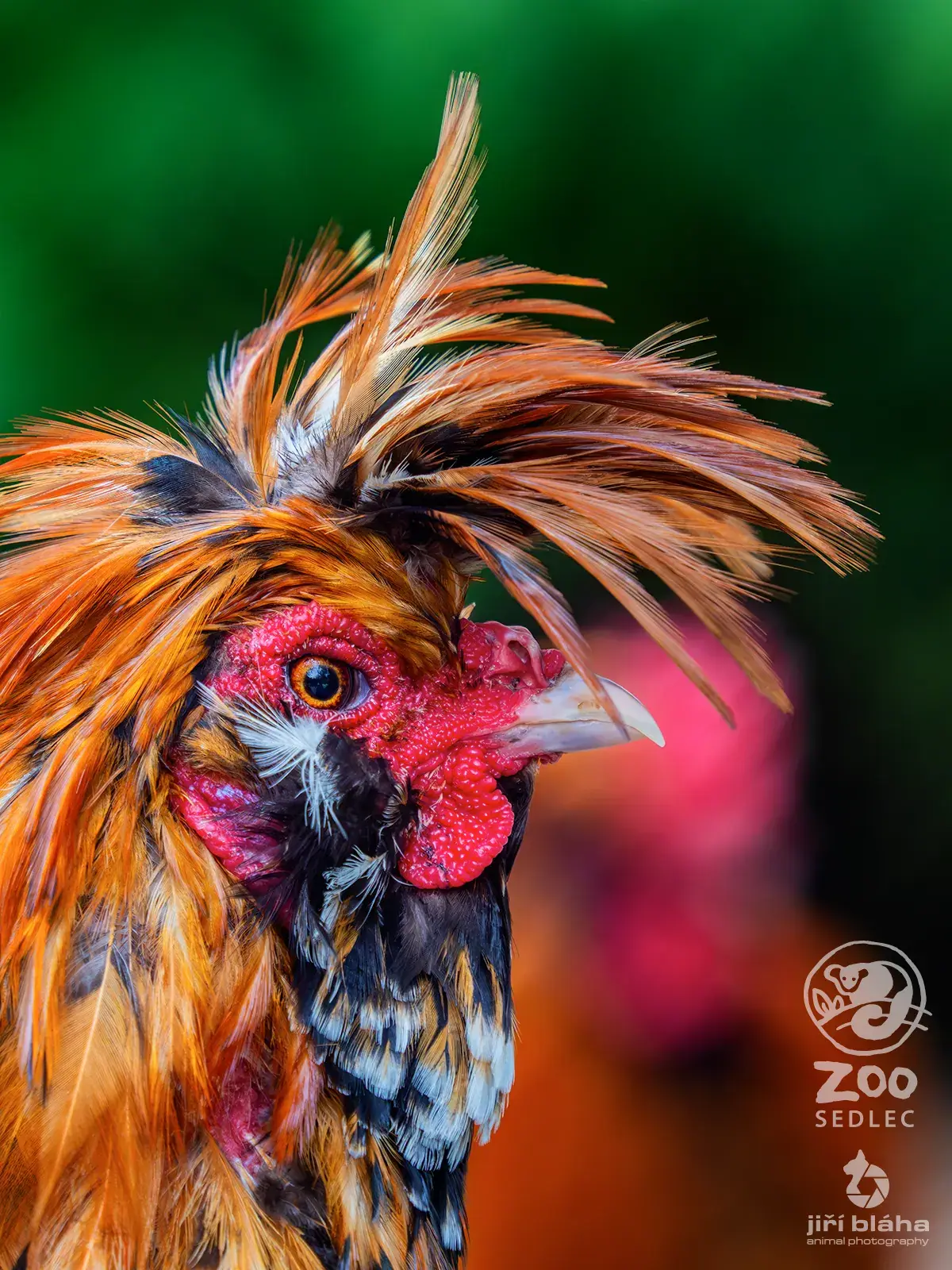
- The rooster is the adult male of the domestic chicken (Gallus gallus f. domestica), a member of the pheasant family (Phasianidae). He is instantly recognisable by his large red comb and wattles, glossy colourful plumage, and long, arching sickle-shaped tail feathers. Roosters are typically larger and more brightly coloured than hens, often weighing around 1 kg more depending on the breed.
- Habitat
- The domestic chicken descends from the red junglefowl (Gallus gallus) of the forests and scrublands of Southeast Asia, and was domesticated more than 8,000 years ago. Today it is kept by people all over the world, and at ZOO Sedlec you can meet several ornamental and traditional breeds.
- Diet
- Chickens are omnivores that scratch and peck at the ground for food. Their diet includes grains and seeds, green plants, insects, worms, snails and other small invertebrates.
- Reproduction
- The hen lays eggs that hatch after about 21 days of incubation. A rooster does not brood, but he guards the flock, courts the hens and calls them to food; laying breeds can produce a large number of eggs each year.
- Lifespan
- With good care, domestic chickens usually live around 5 to 8 years, and sometimes longer.
- Did you know?
- A rooster's crow announces the dawn and marks his territory, and the domestic chicken is the most numerous bird on Earth, with over 20 billion living at any one time.
Homeland & habitat
Where the rooster (domestic chicken) lives
Spin the globe to see where the species comes from and where it lives today.
Southeast AsiaThe domestic chicken was bred from the wild red junglefowl in South and Southeast Asia around 5,000 years ago and is now kept worldwide.
Loading globe…
Native rangeIntroduced / also today
Drag to rotate · double-click to recentre on the homeland
9 facts about the rooster (domestic chicken)
The cards keep rotating — hover with your mouse to pause them.
- GroupFarm animals
- Scientific nameGallus gallus f. domesticaLatin name of the species
- Homeland & habitatKur domácí není přírodní druh, ale byl vyšlechtěn z divokého kura bankivského (Gallus gallus), lesního ptáka z jihovýchodní Asie. K domestikaci došlo přibližně před 5 000 lety na území Indie a Číny a odtud se chov postupně rozšířil po celém světě. Dnes patří kur domácí k vůbec nejpočetnějším ptákům na Zemi.
- DietKur domácí je všežravec, který si potravu hledá vytrvalým hrabáním v zemi. Zobe zrní a semena, zelené rostliny, ovoce a zeleninu, ale s chutí uloví i žížaly, hmyz a další drobné bezobratlé. Živočišná bílkovina je důležitá zejména pro slepice snášející vejce.
- ReproductionSlepice snáší podle plemene zhruba 60 až 220 vajec za rok a pohlavně dospívá již ve 4 až 6 měsících věku. Zasedne-li na snůšku, trvá inkubace přibližně 21 dní, než se vylíhnou kuřata. Oplozená vejce dokáže slepice snášet i několik dní po jediném spáření, protože si samčí spermie ukládá v pohlavních cestách.
- LifespanV lidské péči se kur domácí obvykle dožívá zhruba 5 až 10 let, výjimečně i více. Nejvyšší snůšku mají slepice v prvních letech života a po pátém až šestém roce už vejce snášejí jen zřídka.
- Conservation statusDomesticatedA domesticated form — not found in the wild
- Did you know…?Kur domácí je s desítkami miliard chovaných jedinců nejpočetnějším ptákem na světě. Kohoutí kokrhání přitom neslouží jen k vítání rána, ale hlavně k tomu, aby dal najevo hranice svého území a upozornil ostatní kohouty, kdo je tu pánem.
- Where in the zooArea A — the farm animal yard
Support the care of our animals
A symbolic adoption contributes to feeding, veterinary care and the development of the exhibits — and you get a certificate and updates about your animal.
Browse adoptions