
Hoofed animals
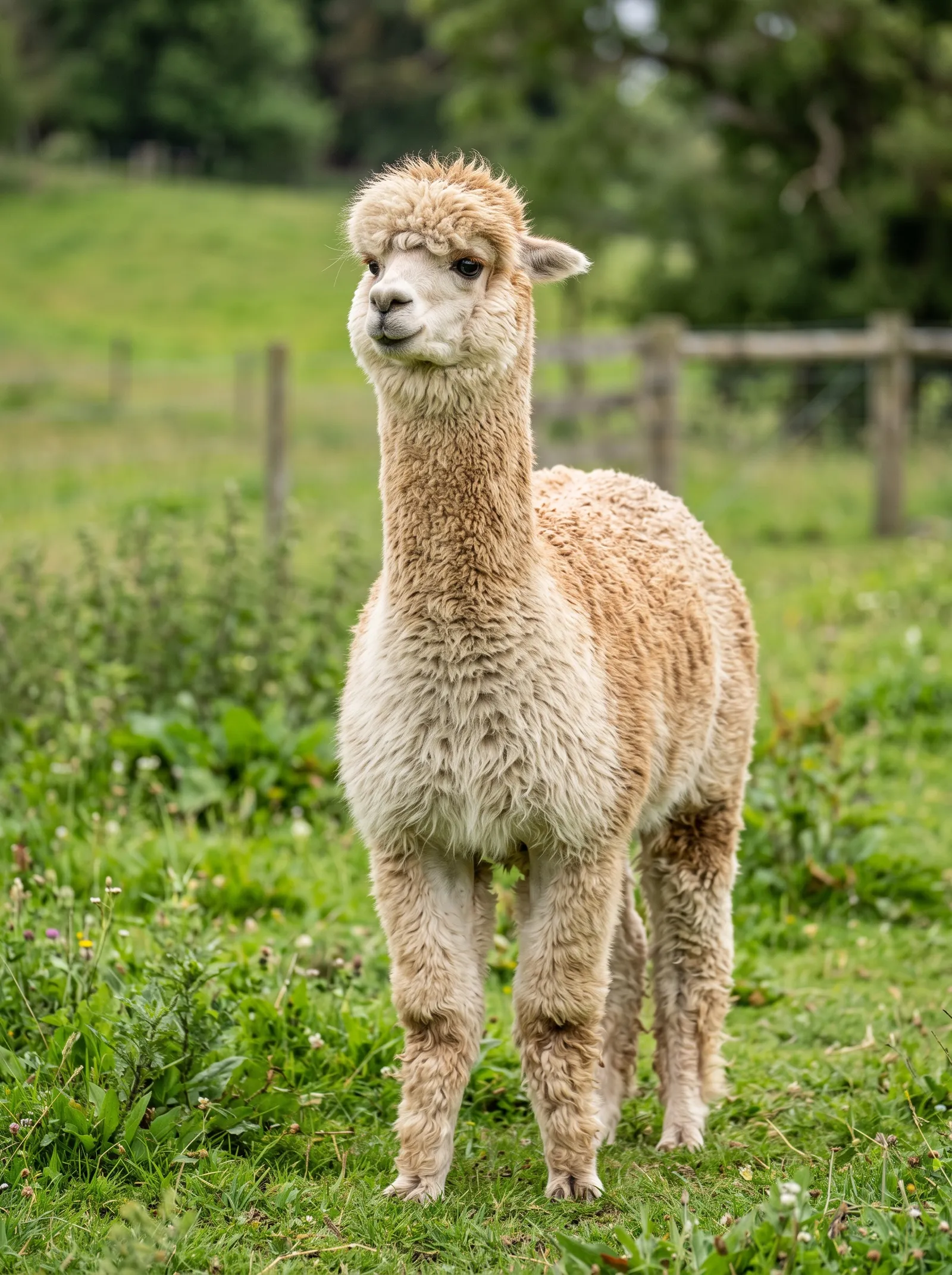
Alpaca
Lama guanicoe f. pacos
Species originDomesticated
Alpaca
- Description
- A domesticated South American camelid without a hump. It stands 80–100 cm at the withers and weighs 55–85 kg. The body is covered in a dense, soft fleece, the neck is long and the small head carries a tuft of wool above the eyes. Two breeds are kept: the huacaya with a crimped fleece standing out from the body, and the suri with long spiralling locks.
- Habitat
- Its original home is the high Andean plateau of Peru, Bolivia and Chile at 3,500–5,000 m, where temperatures swing by tens of degrees in a single day. Being undemanding, it is now kept all over the world.
- Diet
- A herbivore. It grazes grass and herbs and is given hay in winter. As a ruminant with a three-chambered stomach it uses its food remarkably well — it needs considerably less than a sheep of comparable weight.
- Reproduction
- Gestation lasts about 11.5 months and a single young, called a cria, is born weighing 6–8 kg. It is on its feet within an hour. Weaning takes place at around six months.
- Lifespan
- 15–20 years.
- Did you know?
- Alpaca wool contains no lanolin and therefore does not irritate even sensitive skin. It occurs naturally in twenty-two shades from white to coal black, so it need not be dyed. Alpacas are also tidy animals — the whole herd uses one communal dung pile.
Homeland & habitat
Where the alpaca lives
Spin the globe to see where the species comes from and where it lives today.
The Andes (Peru, Bolivia, Chile)A domesticated animal from the high Andean plateau at 3,500–5,000 m; undemanding and prized for its fleece, it is now kept all over the world.
Loading globe…
Native rangeIntroduced / also today
Drag to rotate · double-click to recentre on the homeland
9 facts about the alpaca
The cards keep rotating — hover with your mouse to pause them.
- GroupHoofed animalsSudokopytníci (Artiodactyla) · Velbloudovití (Camelidae)
- Scientific nameLama guanicoe f. pacosLatin name of the species
- Homeland & habitatPůvodní domovinou jsou vysokohorské pláně And v Peru, Bolívii a Chile ve výškách 3 500–5 000 m, kde denní teploty kolísají o desítky stupňů. Díky nenáročnosti se dnes chová po celém světě.
- DietBýložravec. Spásá trávu a byliny, v zimě dostává seno. Jako přežvýkavec má třídílný žaludek a potravu využije mimořádně důkladně — vystačí si s podstatně menší dávkou než ovce srovnatelné hmotnosti.
- ReproductionBřezost trvá přibližně 11,5 měsíce a rodí se jediné mládě, zvané cria, o hmotnosti 6–8 kg. Na nohou stojí do hodiny po porodu. Odstav probíhá zhruba po šesti měsících.
- Lifespan15–20 let.
- Conservation statusDomesticatedA domesticated form — not found in the wild
- Did you know…?Alpačí vlna neobsahuje lanolin, a nedráždí proto pokožku ani alergikům. Přirozeně se vyskytuje ve dvaadvaceti odstínech od bílé po uhlově černou, takže se nemusí barvit. Alpaky jsou navíc pořádkumilovné — celé stádo chodí na jedno společné místo.
- Where in the zooArea B — enclosures among the pools
Support the care of our animals
A symbolic adoption contributes to feeding, veterinary care and the development of the exhibits — and you get a certificate and updates about your animal.
Browse adoptionsWho you'll meet nearby
Full encyclopaedia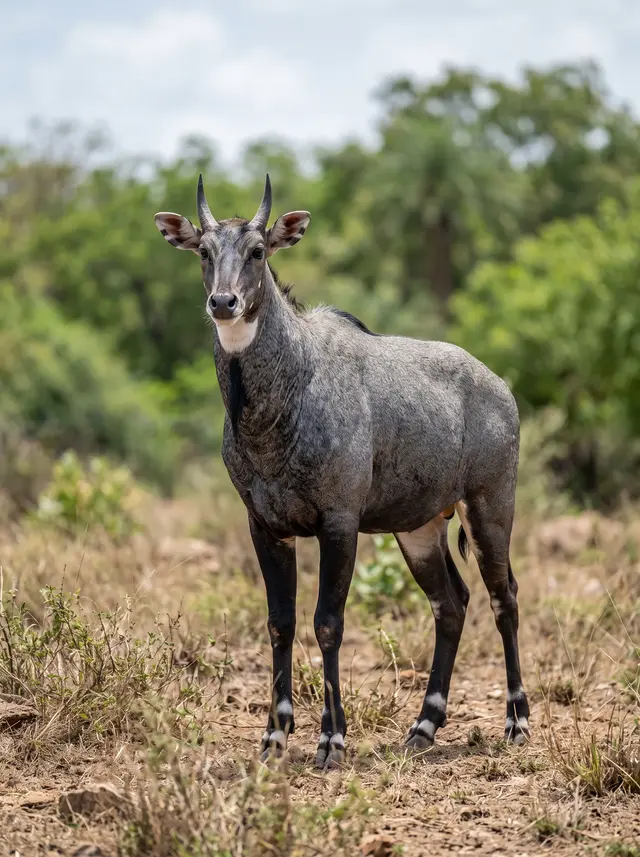
Hoofed animals
NilgaiBoselaphus tragocamelus
Hoofed animals
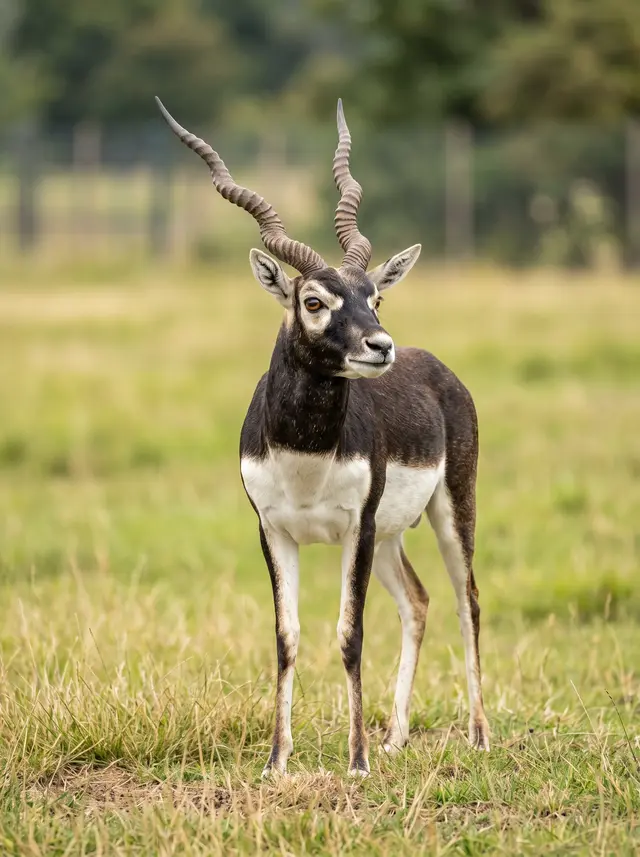
BlackbuckAntilope cervicapra
Hoofed animals
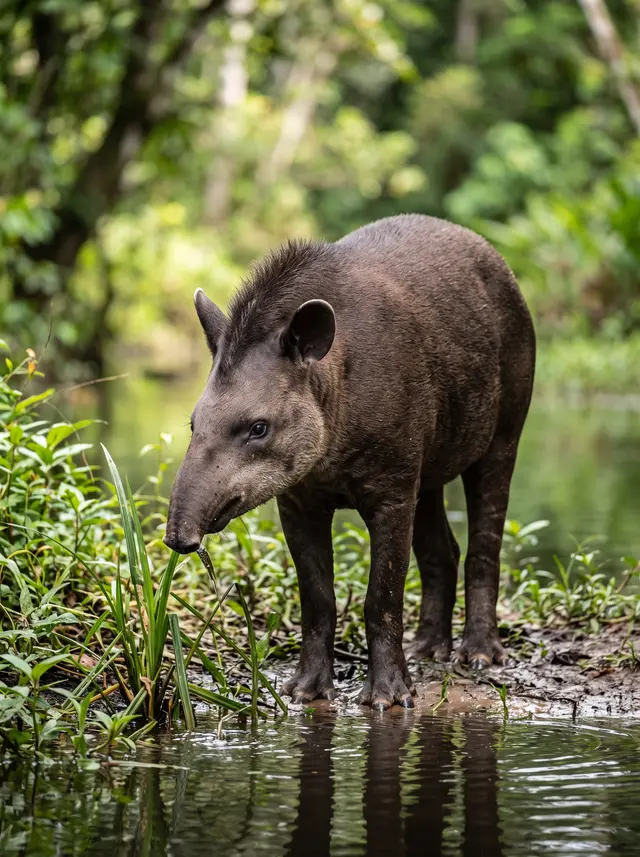
South American TapirTapirus terrestrisFeedingRegular schedule outside weekend eventsFri–Sun · October weekend programme: times at the entrance.
Hoofed animals
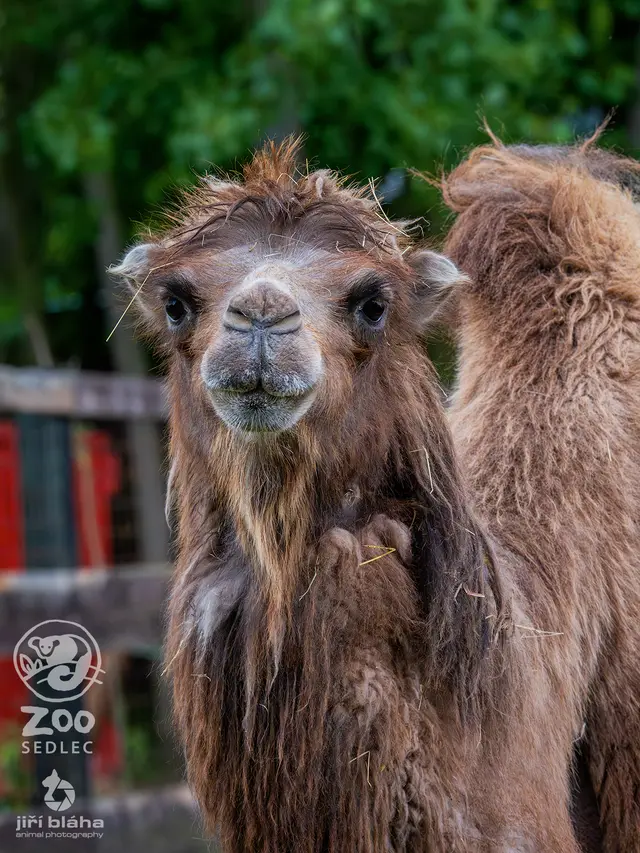
Bactrian CamelCamelus bactrianusFeedingRegular schedule outside weekend eventsTue · October weekend programme: times at the entrance.