
Hoofed animals
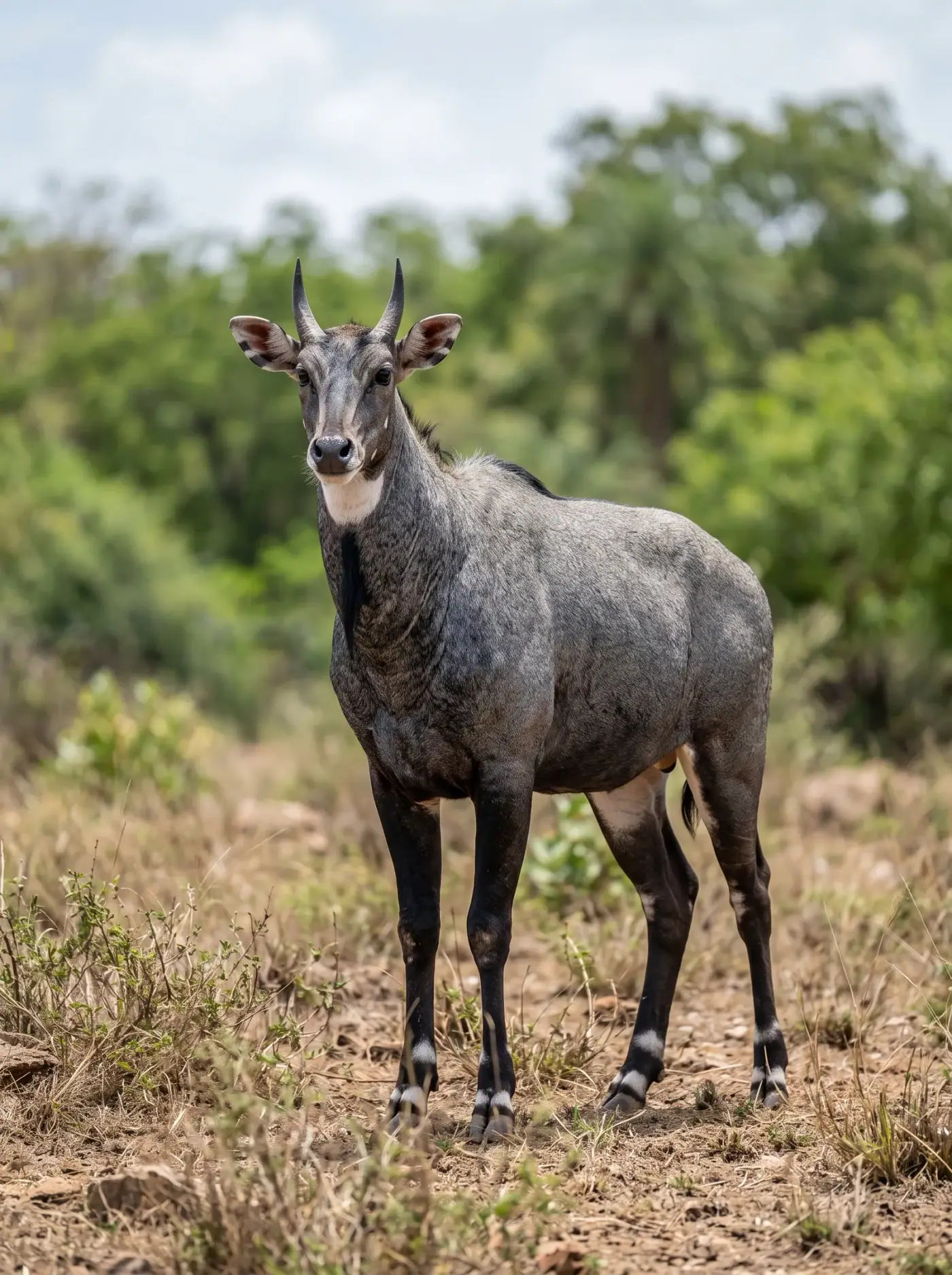
Nilgai
Boselaphus tragocamelus
IUCN Red ListLeast Concern
Audio guide
Listen to the story of this animal
0:000:00
Nilgai
- Description
- The nilgai, also called the blue bull, is the largest antelope in Asia, standing about 120-150 cm at the shoulder with a long neck, high front legs and a robust build. Bulls are slate-grey to blue-grey and carry short, cone-shaped horns of about 15-24 cm, while the smaller, brownish cows are hornless. Males weigh roughly 200-290 kg and females around 120-210 kg.
- Habitat
- Nilgai are native to the Indian subcontinent, ranging across India, Nepal and Pakistan. They favour dry savanna, scrubland and the edges of woodland with open grassy areas, but avoid dense forest.
- Diet
- A mixed feeder, the nilgai grazes on grasses and also browses leaves, shoots, fruits and legumes.
- Reproduction
- After a gestation of about 8-9 months (roughly 243-247 days), the female gives birth to one or two calves, and twins are especially common.
- Lifespan
- Nilgai typically live 12-15 years in the wild and can reach up to about 20 years in human care.
- Did you know?
- The nilgai is a fast and tireless runner, able to sprint at speeds of up to around 50 km/h.
Homeland & habitat
Where the nilgai lives
Spin the globe to see where the species comes from and where it lives today.
Indian SubcontinentThe largest Asian antelope, native to grasslands and open woodlands of the Indian subcontinent, also introduced to southern Texas.
Loading globe…
Native rangeIntroduced / also today
Drag to rotate · double-click to recentre on the homeland
10 facts about the nilgai
The cards keep rotating — hover with your mouse to pause them.
- GroupHoofed animalsArtiodactyla (sudokopytníci) · Bovidae (turovití)
- Scientific nameBoselaphus tragocamelusLatin name of the species
- Homeland & habitatokraje lesů v Indii, Nepálu a Pákistánu
- DietSmíšený spásač – živí se trávou, listím, plody, výhonky a luštěninami.
- ReproductionBřezost trvá 8–9 měsíců, Samice rodí 1–2 mláďata
- LifespanV přírodě 12–15 let, v zajetí až 20 let.
- Conservation statusLeast ConcernAccording to the IUCN Red List
- Did you know…?Je to velmi rychlá a vytrvalá antilopa, dokáže běžet rychlostí až 50 km/h.
- Where in the zooArea B — enclosures among the pools
- How many we keep♂ 0 · ♀ 1total: 1
Conservation status
Species vulnerability index
Least Concern
Near Threatened
Vulnerable
Endangered
Critically Endangered
LC – málo dotčená (Least Concern) podle IUCN,
Support the care of our animals
A symbolic adoption contributes to feeding, veterinary care and the development of the exhibits — and you get a certificate and updates about your animal.
Browse adoptionsWho you'll meet nearby
Full encyclopaedia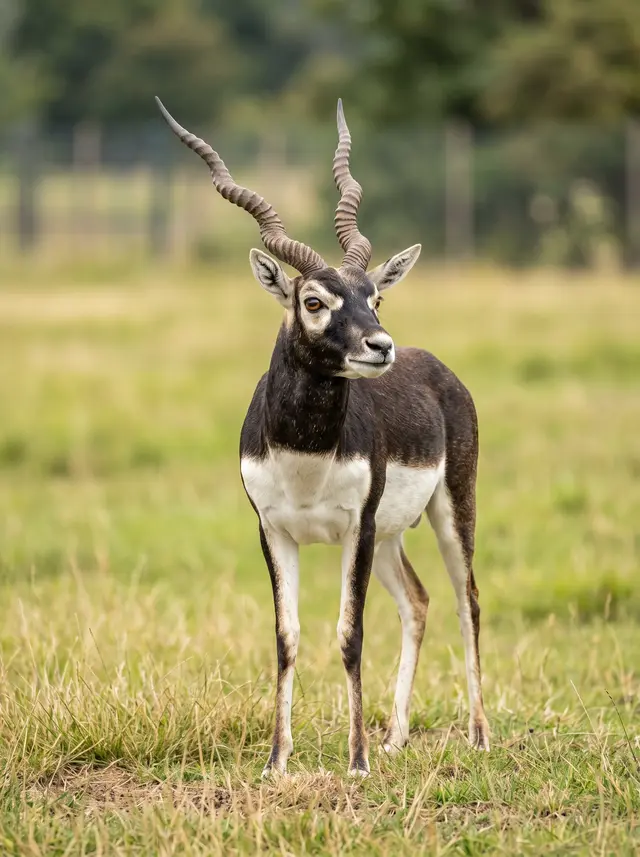
Hoofed animals
BlackbuckAntilope cervicapra
Hoofed animals
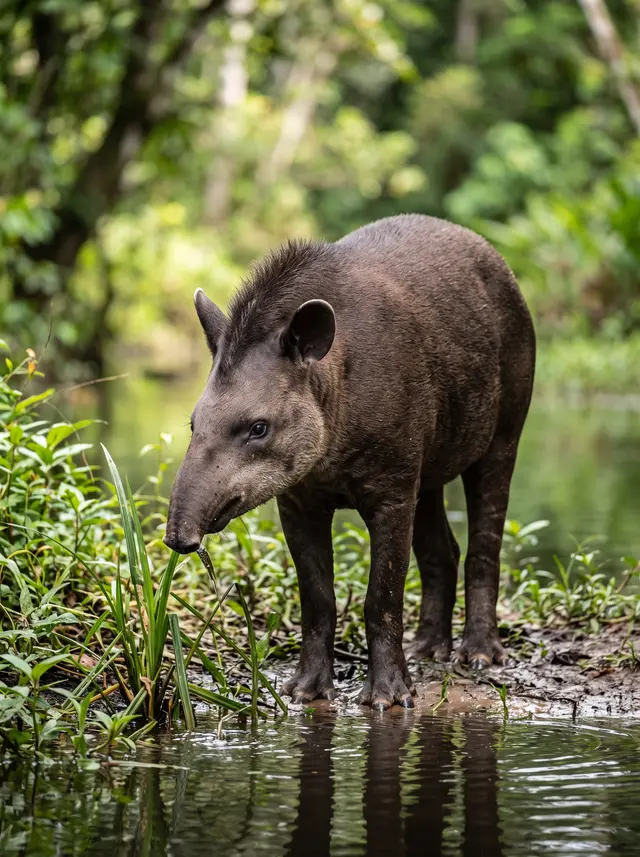
South American TapirTapirus terrestrisFeedingRegular schedule outside weekend eventsFri–Sun · October weekend programme: times at the entrance.
Hoofed animals
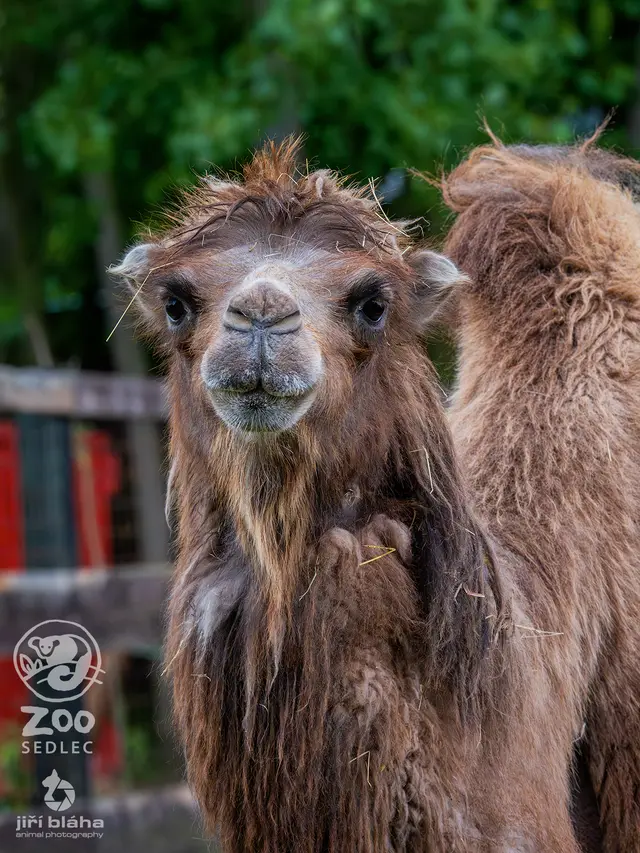
Bactrian CamelCamelus bactrianusFeedingRegular schedule outside weekend eventsTue · October weekend programme: times at the entrance.
Hoofed animals
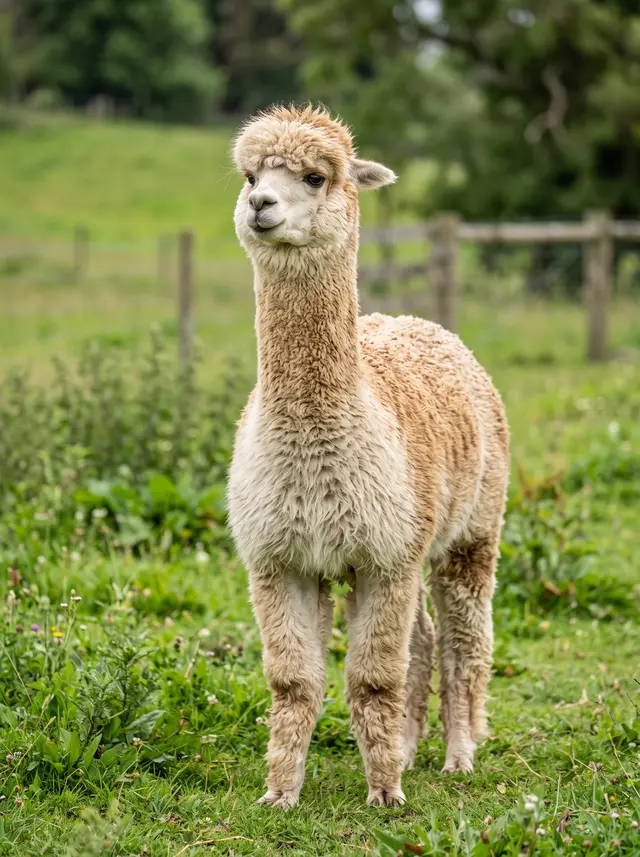
AlpacaLama guanicoe f. pacos