Birds
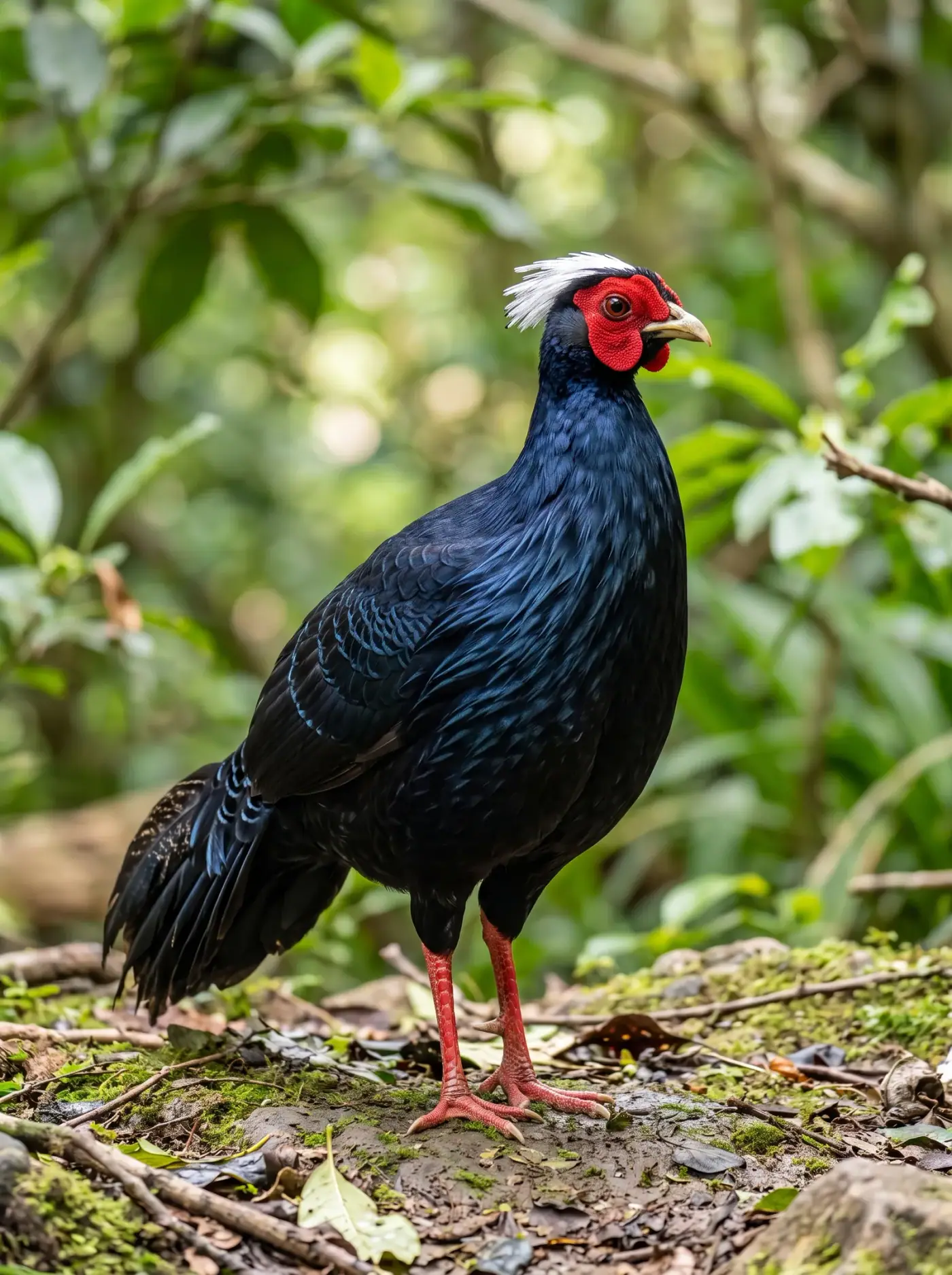
Vietnamese pheasant
Lophura hatinhensis
IUCN Red ListCritically Endangered
Audio guide
Listen to the story of this animal
0:000:00
Vietnamese pheasant
- Description
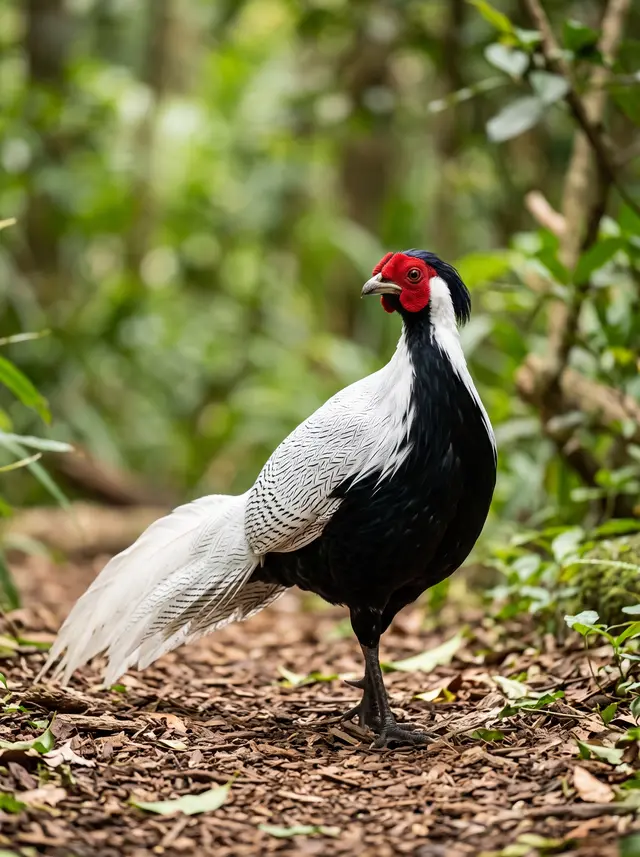
- They measure 50-65 cm and weigh 0.8-1.1 kg. The female is brown, and the male has blue feathers.
- Habitat
- They are endemic to central Vietnam.
- Diet
- They feed mainly on plant food: shoots, berries, roots, seeds, leaves, flowers, bamboo shoots, occasionally they also eat insects or other invertebrates.
- Reproduction
- They lay between four and seven eggs, which they brood for 25 days.
- Lifespan
- 6-10 years
- Did you know?
- Until recently, they were considered a subspecies of the Edwards’s pheasant, with which they are interchangeable in their first year of life. Male Vietnamese pheasants do not grow their typical white tail feathers until their second year of life.
Homeland & habitat
Where the vietnamese pheasant lives
Spin the globe to see where the species comes from and where it lives today.
Central VietnamA critically endangered pheasant endemic to the lowland moist forests of central Vietnam.
Loading globe…
Native range
Drag to rotate · double-click to recentre on the homeland
10 facts about the vietnamese pheasant
The cards keep rotating — hover with your mouse to pause them.
- GroupBirdsHrabaví (Galliformes) · Bažantovití (Phasianidae)
- Scientific nameLophura hatinhensisLatin name of the species
- Homeland & habitatObývá nížinné a pahorkaté tropické lesy, často s hustým podrostem a bambusem
- DietSmíšená – živí se semeny, bobulemi, výhonky, kořínky, ale také hmyzem a jinými drobnými bezobratlými.
- Reproductionstaví jednoduché hnízdo na zemi a snáší 4–7 vajec. Inkubace trvá kolem 24 dní
- LifespanV zajetí může žít 10–15 let
- Conservation statusCritically EndangeredAccording to the IUCN Red List
- Did you know…?Bažant vietnamský byl objeven teprve v roce 1964 a dlouho se vedly spory, zda jde o samostatný druh, nebo poddruh bažanta Edwardsova
- Where in the zooArea A — aviaries and exhibits
- How many we keep♂ 1 · ♀ 1total: 2
Conservation status
Species vulnerability index
Least Concern
Near Threatened
Vulnerable
Endangered
Critically Endangered
Podle IUCN je druh hodnocen jako Critically Endangered (kriticky ohrožený)
Support the care of our animals
A symbolic adoption contributes to feeding, veterinary care and the development of the exhibits — and you get a certificate and updates about your animal.
Browse adoptions