Farm animals
Domestic goose
Anser anser f. domesticus
Species originDomesticated
Audio guide
Listen to the story of this animal
0:000:00
Domestic goose
- Description
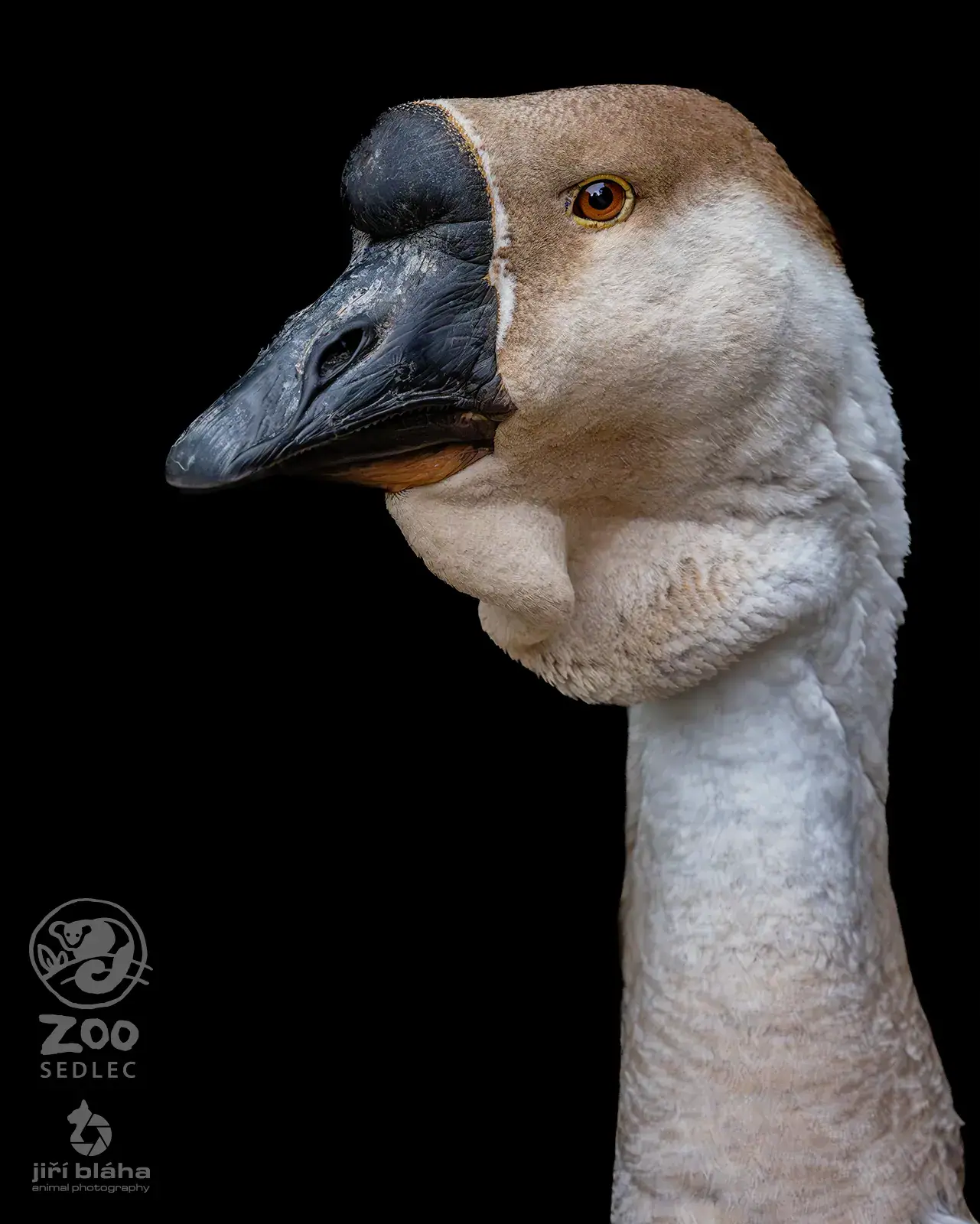
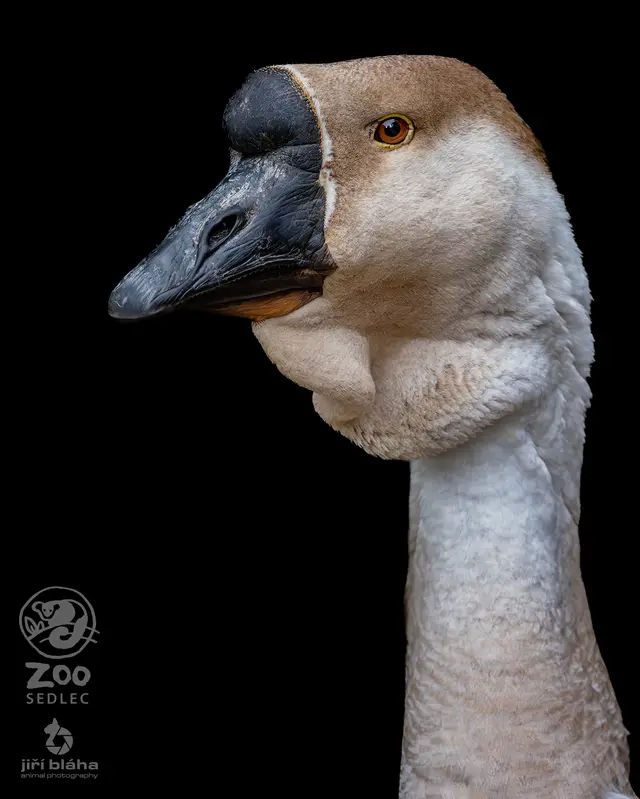
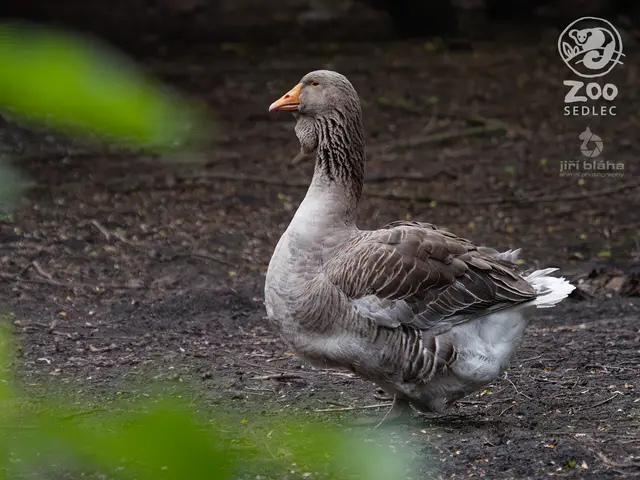
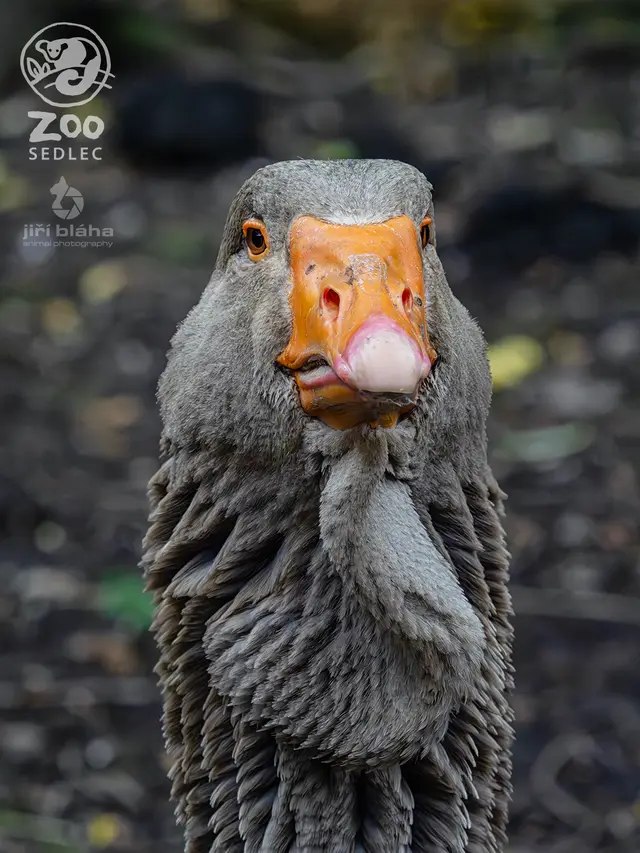
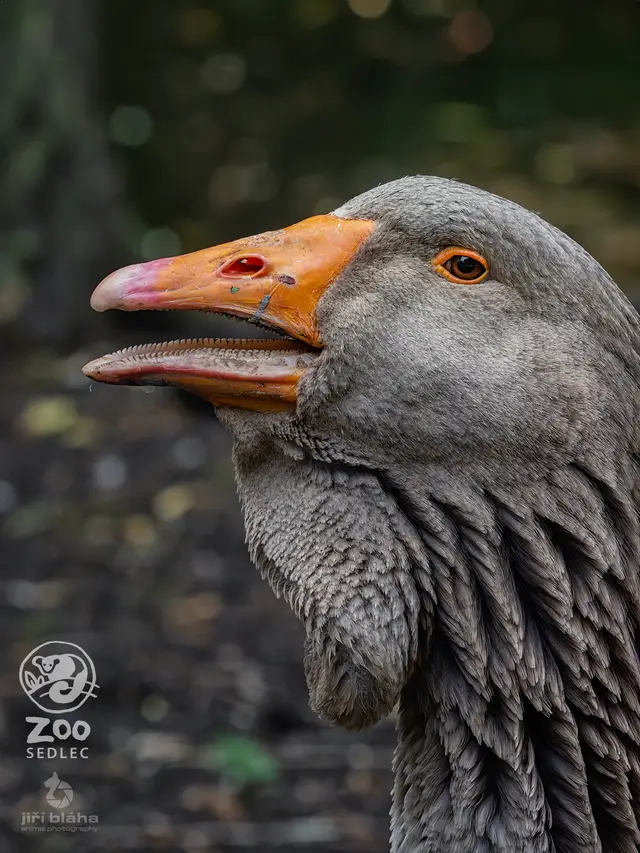
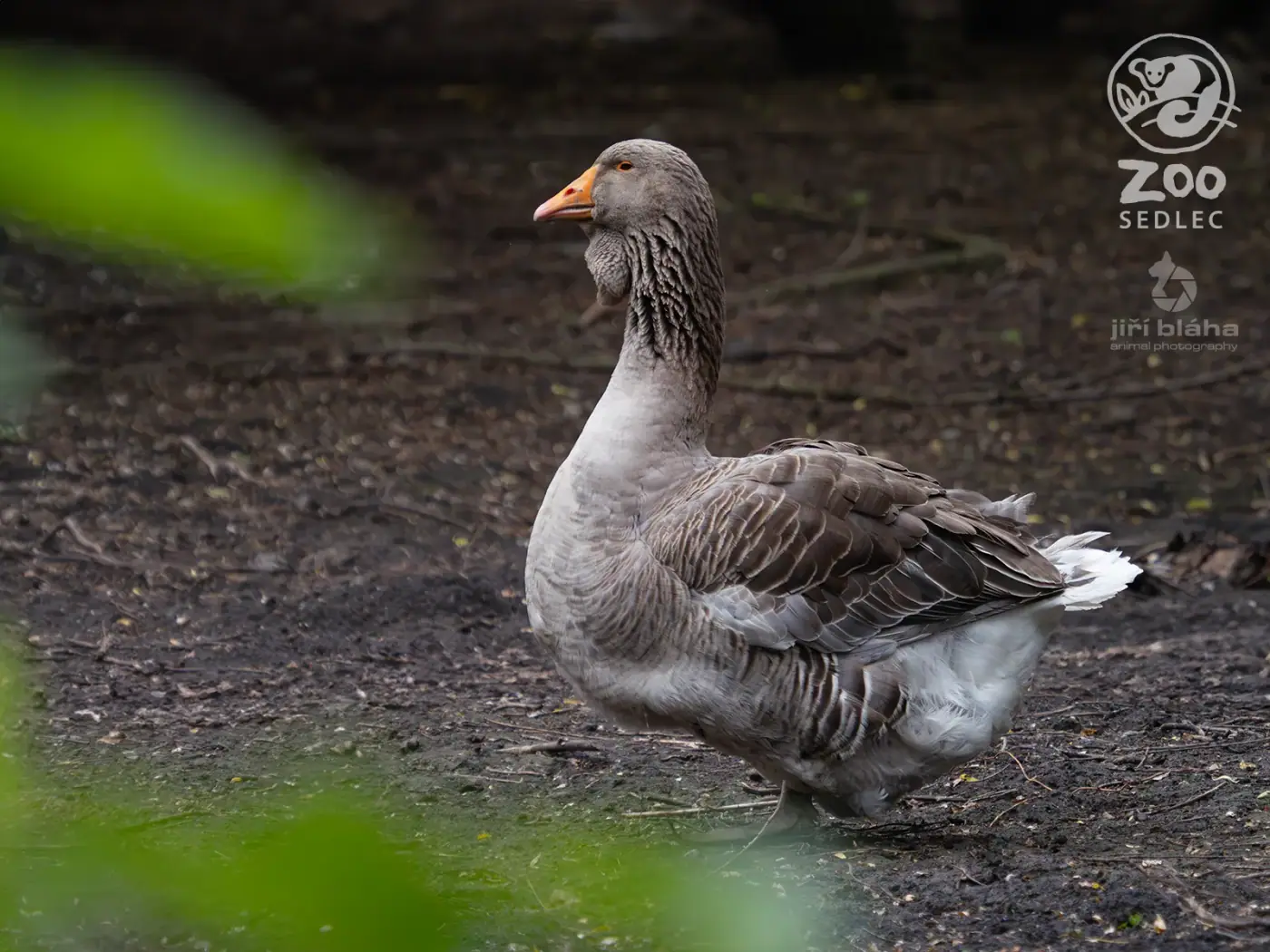
- The domestic goose is a large, sturdy waterfowl bred in many varieties, most weighing around 3.5 to 7 kg, with some heavy breeds reaching up to 10 kg. Compared with its wild ancestor it stands more upright, carries a plumper, fat-laden rear end, and often shows white, grey, or pied plumage with an orange bill and legs.
- Habitat
- This is a domesticated bird kept on farms and smallholdings across the world rather than a wild species. Most breeds descend from the wild greylag goose (Anser anser) of Europe, North Africa, and western Asia, with geese first domesticated thousands of years ago, as far back as the Bronze Age.
- Diet
- Geese are grazing herbivores that feed mainly on grass, clover, and other green plants, supplemented with grains, seeds, and vegetables. On pasture a flock can meet much of its own food needs simply by grazing.
- Reproduction
- A goose typically lays a clutch of about 5 to 15 eggs, though laying breeds can produce many more over a season, and the eggs are incubated for roughly 28 to 35 days. Geese are attentive parents and fiercely defend their goslings.
- Lifespan
- Domestic geese are long-lived birds, commonly reaching 15 to 20 years, and with good care and nutrition some individuals live 25 to 30 years.
- Did you know?
- Geese make excellent living alarm systems: their sharp eyesight and loud, insistent honking at any disturbance mean they have been kept as guard animals since antiquity, famously credited with warning the Romans of a night attack on the Capitol.
Homeland & habitat
Where the domestic goose lives
Spin the globe to see where the species comes from and where it lives today.
Mesopotamia, Egypt and ChinaA domesticated form of the greylag goose, independently domesticated from around 5000 BCE in Mesopotamia, later in Egypt, Europe and China, and now kept worldwide.
Loading globe…
Native rangeIntroduced / also today
Drag to rotate · double-click to recentre on the homeland
10 facts about the domestic goose
The cards keep rotating — hover with your mouse to pause them.
- GroupFarm animals
- Scientific nameAnser anser f. domesticusLatin name of the species
- Homeland & habitatHusa domácí není volně žijící druh, ale zdomácnělá forma husy velké (Anser anser). Domestikace probíhala nezávisle na několika místech, nejdříve zřejmě kolem roku 5000 př. n. l. v Mezopotámii, později v Egyptě, Evropě i v Číně (kde vychází i z husy labutí). Patří tak mezi nejstarší zdomácnělé ptáky vůbec a odedávna se chová pro maso, peří a vejce. Divoký předek obývá mokřady, jezera a rybníky se zarostlými břehy napříč Eurasií.
- DietHusa je téměř výhradní býložravec. Spásá trávu a byliny, pochutná si na koříncích, semenech, obilí i vodních rostlinách a na pastvě dokáže zpracovat velké množství zeleného krmiva. Jen okrajově přijímá drobné vodní živočichy.
- ReproductionHusa snáší podle plemene zhruba 5–15 vajec, na kterých pak sedí přibližně 28–30 dní. O housata pečují a vodí je; ta se po vylíhnutí snadno vtisknou na svého rodiče – nebo i na člověka, kterého pak následují.
- LifespanHusy patří mezi dlouhověké ptáky. V dobré péči se běžně dožívají 20 let i více a doložené jsou i výrazně vyšší věky – nejstarší zaznamenaná husa se v Anglii dožila téměř 50 let.
- Conservation statusDomesticatedA domesticated form — not found in the wild
- Did you know…?Husy jsou vynikající hlídači: podle pověsti právě jejich hlasitý poplach („Kapitolské husy") zachránil starověký Řím před nočním přepadením. Na svého chovatele se dokáží pevně upnout a poznají ho i mezi lidmi.
- Where in the zooArea A — the farm animal yard
- How many we keep♂ 1 · ♀ 1total: 2
Support the care of our animals
A symbolic adoption contributes to feeding, veterinary care and the development of the exhibits — and you get a certificate and updates about your animal.
Browse adoptions