
Carnivores
Snow leopard
Panthera uncia
IUCN Red ListVulnerable
Snow leopard
- Description
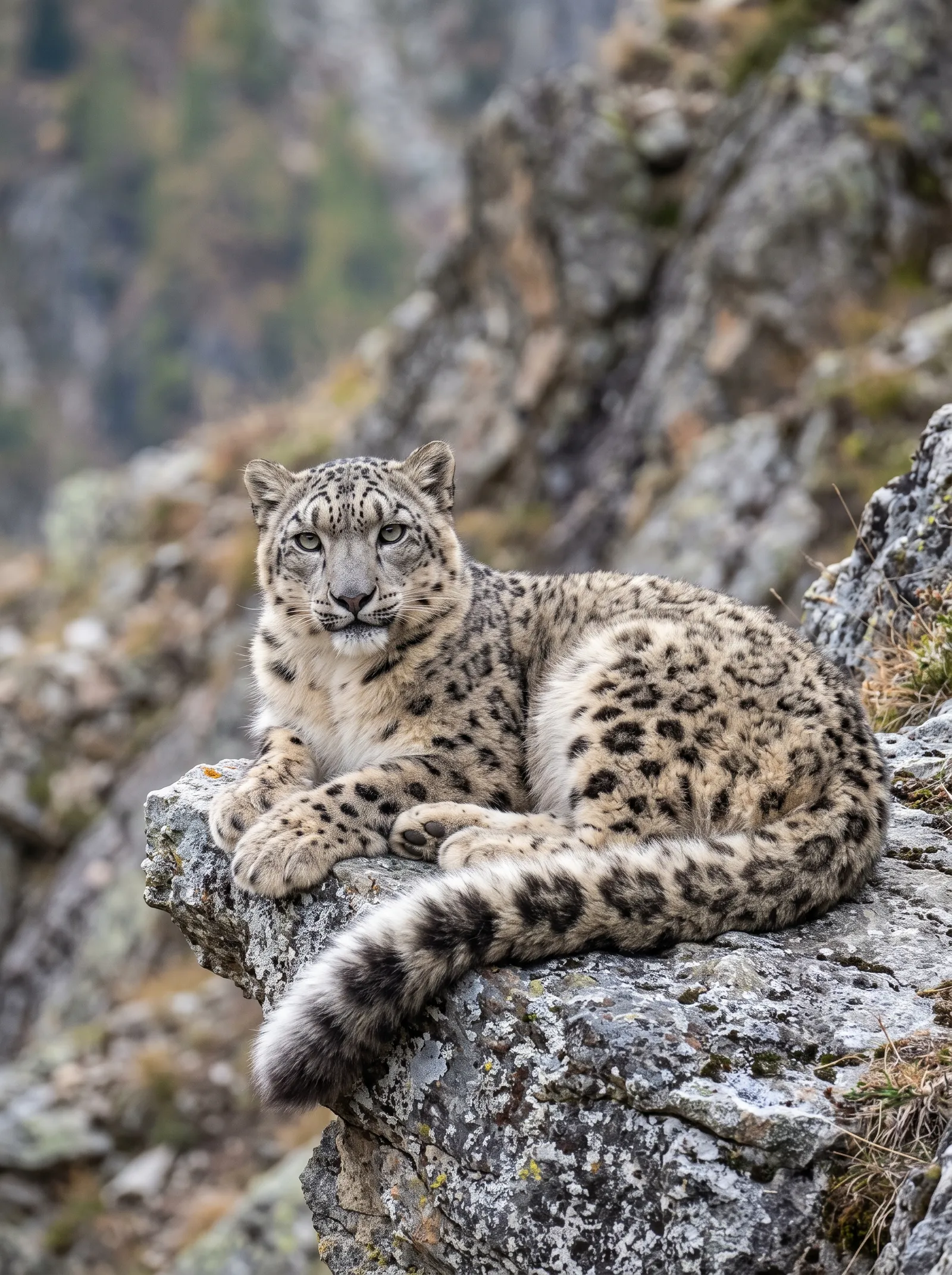
- The snow leopard measures 100–130 cm with a bushy tail of a further 80–105 cm and weighs 22–55 kg. Dark rosettes mark the smoke-grey to cream coat, the fur is up to 5 cm long and dense, and the paws are strikingly broad and furred underneath — they work like snowshoes.
- Habitat
- The high mountains of Central Asia at 3,000–4,500 m: the Himalayas, the Pamirs, the Tibetan Plateau, the Altai and the Tian Shan. It favours steep rocky slopes, ravines and alpine meadows above the treeline.
- Diet
- It hunts mainly mountain ungulates — ibex, blue sheep and argali — supplemented by marmots, snowcocks and hares. It can bring down prey three times its own weight.
- Reproduction
- Gestation lasts 90–100 days. The female usually bears 2–3 cubs (exceptionally up to five) in a rock crevice lined with her own fur. The young stay with their mother for 18–22 months before finding a territory of their own.
- Lifespan
- 10–12 years in the wild, over 20 years in human care.
- Did you know?
- The tail, nearly as long as the whole body, balances the cat during leaps across the rocks, and while sleeping it wraps the tail around its muzzle like a scarf. Unlike a lion or a tiger it cannot roar — it lacks the necessary vocal apparatus. It can, however, leap fifteen metres.
Homeland & habitat
Where the snow leopard lives
Spin the globe to see where the species comes from and where it lives today.
High mountains of Central AsiaIt lives on steep rocky slopes of the Himalayas, the Pamirs, the Altai and the Tian Shan at 3,000–4,500 m; an estimated 4,000–6,500 adults remain in the wild.
Loading globe…
Native range
Drag to rotate · double-click to recentre on the homeland
9 facts about the snow leopard
The cards keep rotating — hover with your mouse to pause them.
- GroupCarnivoresŠelmy (Carnivora) · Kočkovití (Felidae)
- Scientific namePanthera unciaLatin name of the species
- Homeland & habitatVysokohorské oblasti střední Asie ve výškách 3 000–4 500 m: Himálaj, Pamír, Tibetská náhorní plošina, Altaj a Ťan-šan. Vyhledává strmé skalnaté svahy, rokle a alpínské louky nad hranicí lesa.
- DietLoví hlavně horské kopytníky — kozorožce, nahury a argali — a doplňkově svišti, ulary a zajíce. Poradí si i s kořistí trojnásobně těžší, než je sám.
- ReproductionBřezost trvá 90–100 dní. Samice rodí obvykle 2–3 koťata (výjimečně až pět) v skalní rozsedlině vystlané vlastní srstí. Mláďata zůstávají s matkou 18–22 měsíců, než si najdou vlastní teritorium.
- LifespanVe volné přírodě 10–12 let, v lidské péči přes 20 let.
- Conservation statusVulnerableAccording to the IUCN Red List
- Did you know…?Ocas dlouhý téměř jako celé tělo slouží k balancování při skocích po skalách a ve spánku si jím irbis zakrývá tlamu jako šálou. Na rozdíl od lva či tygra řvát neumí — chybí mu k tomu ozvučený jazylkový aparát. Zato skočí až patnáct metrů daleko.
- Where in the zooArea B — enclosures among the pools
Conservation status
Species vulnerability index
Least Concern
Near Threatened
Vulnerable
Endangered
Critically Endangered
Podle IUCN zranitelný druh (Vulnerable). Ve volné přírodě žije odhadem 4 000–6 500 dospělých jedinců.
Support the care of our animals
A symbolic adoption contributes to feeding, veterinary care and the development of the exhibits — and you get a certificate and updates about your animal.
Browse adoptionsWho you'll meet nearby
Full encyclopaedia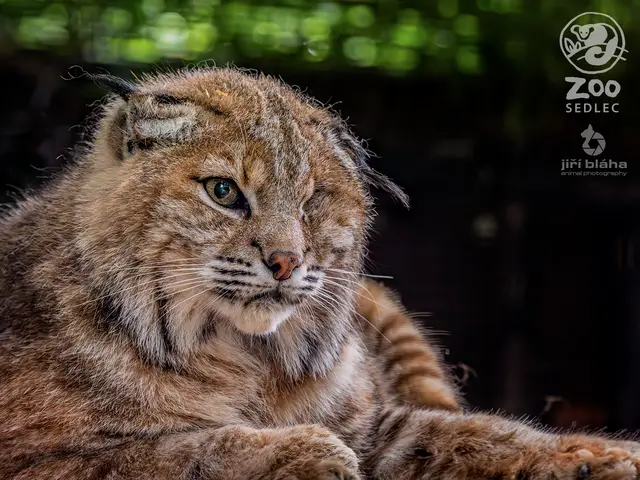
Carnivores
BobcatLynx rufus
Carnivores
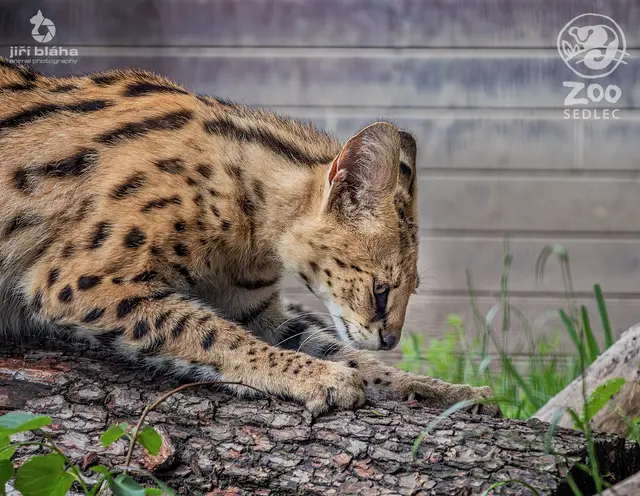
ServalLeptailurus servalFeedingRegular schedule outside weekend eventsWed · October weekend programme: times at the entrance.
Carnivores
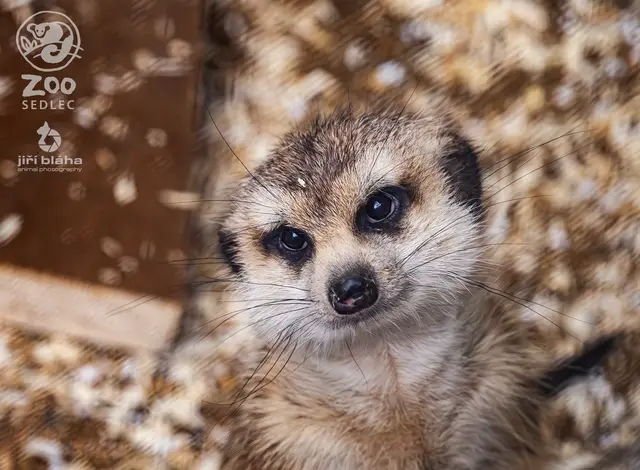
MeerkatSuricata suricattaFeedingRegular schedule outside weekend eventsDaily · October weekend programme: times at the entrance.
Carnivores
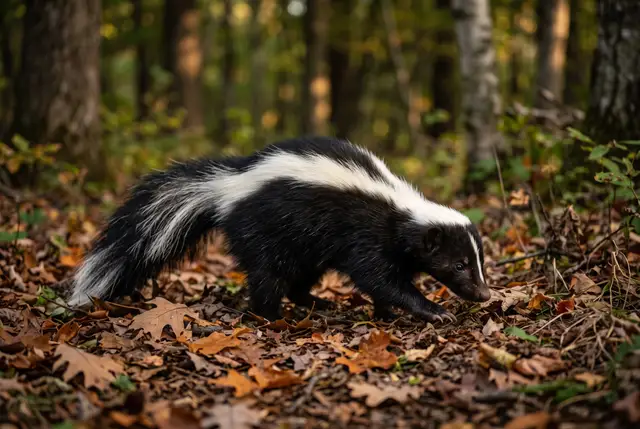
Striped skunkmephitis mephitisFeedingRegular schedule outside weekend eventsMon · October weekend programme: times at the entrance.