
Kangaroos
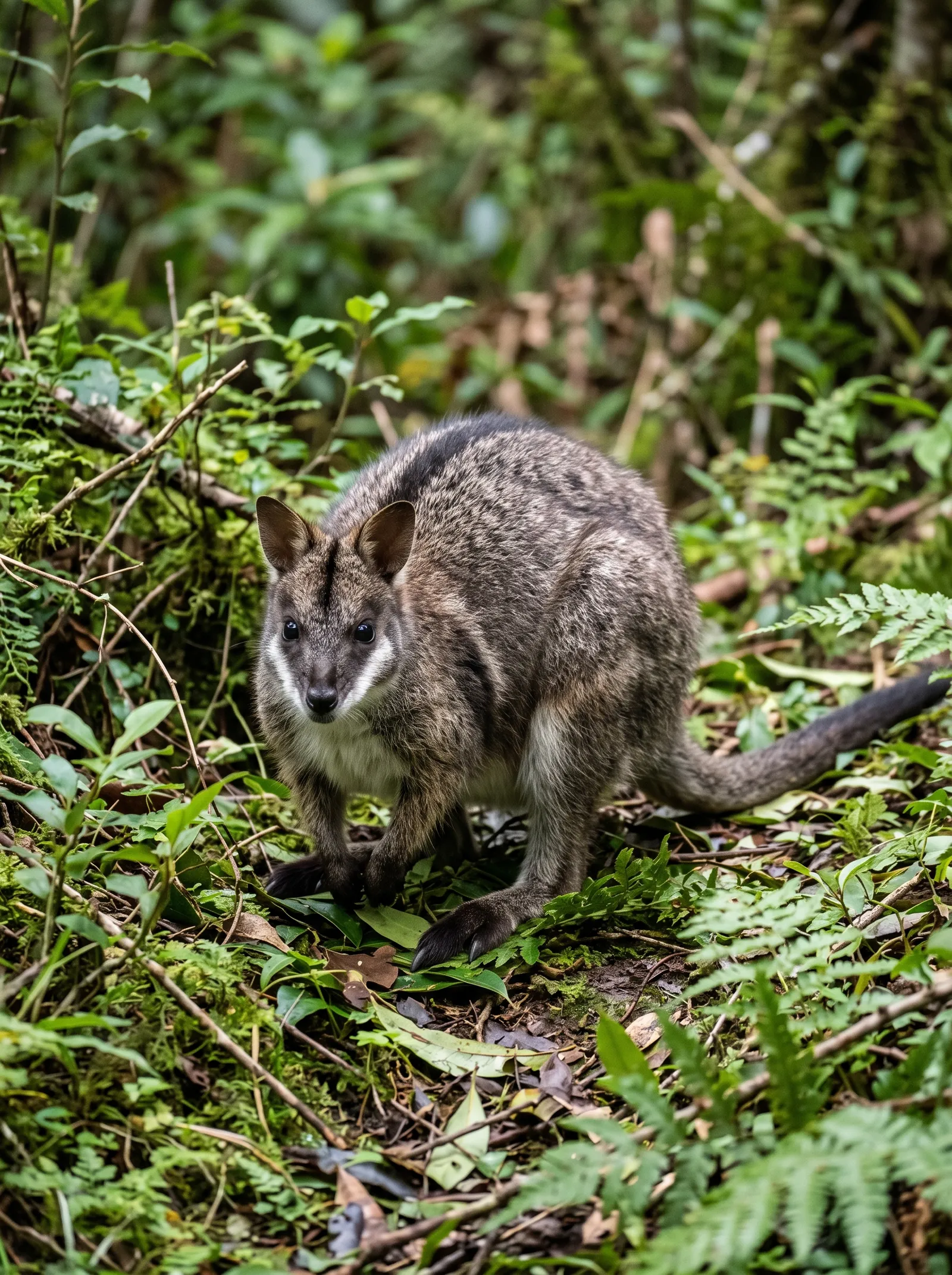
Parma wallaby
Macropus parma
IUCN Red ListNear Threatened
Parma wallaby
- Description
- The smallest member of the genus Macropus. The body measures 45–53 cm, the tail 40–54 cm, and the weight ranges from 3.2 to 5.9 kg. A dark stripe divides the grey-brown coat along the back, there is a white stripe on the cheek, and the throat and chest are white. It moves in a crouch, the body almost horizontal.
- Habitat
- Moist sclerophyll forest with dense undergrowth in eastern New South Wales, Australia. It is shy, strictly nocturnal, and hides by day in impenetrable thicket.
- Diet
- Grasses and herbs, grazed at night in forest clearings. It does not stray far from cover in search of food.
- Reproduction
- Gestation lasts about 35 days and a single young is born, spending some thirty weeks in the pouch. This species also uses paused embryonic development.
- Lifespan
- About 6 years in the wild, 11–15 years in human care.
- Did you know?
- From 1932 the species was considered extinct. In 1965 it turned up unexpectedly on the New Zealand island of Kawau, where settlers had introduced it in the 19th century, and two years later the original Australian population was found as well — a full thirty-three years after science had written it off.
Homeland & habitat
Where the parma wallaby lives
Spin the globe to see where the species comes from and where it lives today.
New South Wales (Australia)It inhabits moist forest with dense undergrowth in eastern New South Wales. Considered extinct from 1932, it was rediscovered only in the 1960s — first on the New Zealand island of Kawau.
Loading globe…
Native rangeIntroduced / also today
Drag to rotate · double-click to recentre on the homeland
9 facts about the parma wallaby
The cards keep rotating — hover with your mouse to pause them.
- GroupKangaroosVačnatci (Diprotodontia) · Klokanovití (Macropodidae)
- Scientific nameMacropus parmaLatin name of the species
- Homeland & habitatVlhké sklerofylní lesy s hustým podrostem na východě australského Nového Jižního Walesu. Je plachý, striktně noční a přes den se ukrývá v neprostupném houští.
- DietTraviny a byliny, které spásá v noci na lesních světlinách a pasekách. Za potravou se od úkrytu příliš nevzdaluje.
- ReproductionBřezost trvá asi 35 dní, rodí se jediné mládě, které stráví ve vaku zhruba třicet týdnů. Také tento druh využívá zabrzděný vývoj embrya.
- LifespanVe volné přírodě kolem 6 let, v lidské péči 11–15 let.
- Conservation statusNear ThreatenedAccording to the IUCN Red List
- Did you know…?Od roku 1932 byl druh považován za vyhynulý. V roce 1965 se nečekaně objevil na novozélandském ostrově Kawau, kam ho v 19. století zavlekli osadníci, a o dva roky později se našla i původní populace v Austrálii — celých třiatřicet let poté, co ho věda odepsala.
- Where in the zooArea A — aviaries and exhibits
Conservation status
Species vulnerability index
Least Concern
Near Threatened
Vulnerable
Endangered
Critically Endangered
Podle IUCN téměř ohrožený druh (Near Threatened).
Support the care of our animals
A symbolic adoption contributes to feeding, veterinary care and the development of the exhibits — and you get a certificate and updates about your animal.
Browse adoptionsWho you'll meet nearby
Full encyclopaedia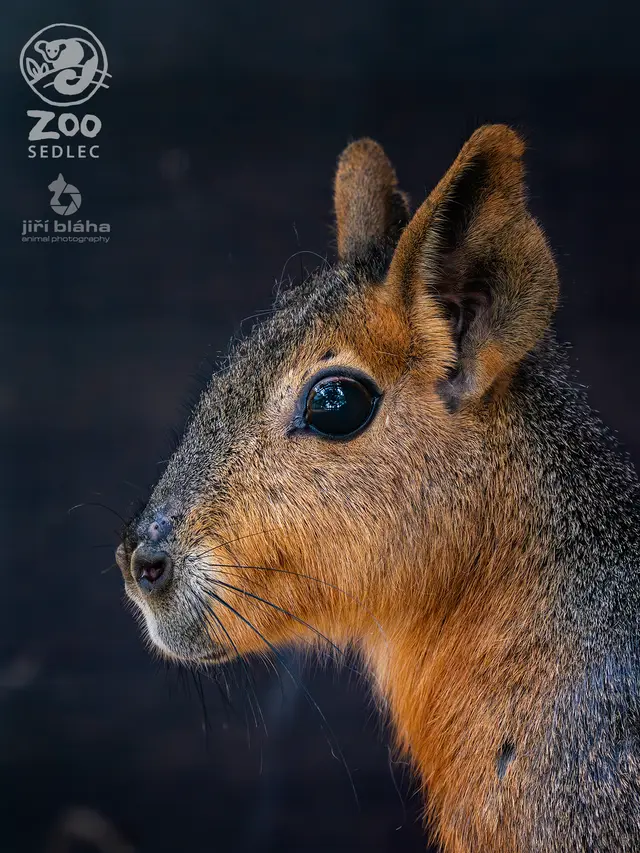
Rodents
Patagonian MaraDolichotis patagonum
Carnivores
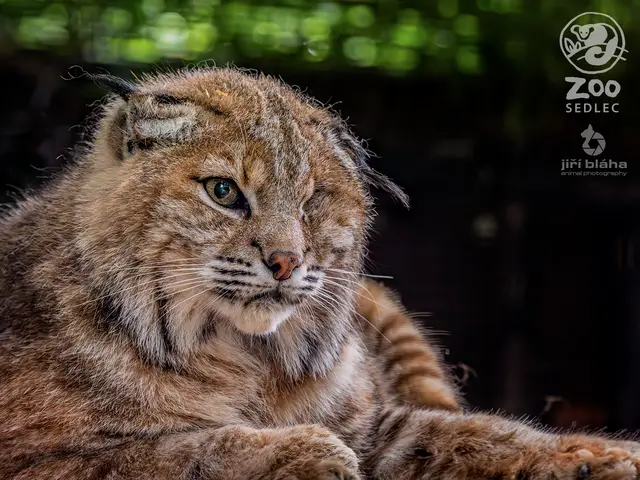
BobcatLynx rufus
Carnivores
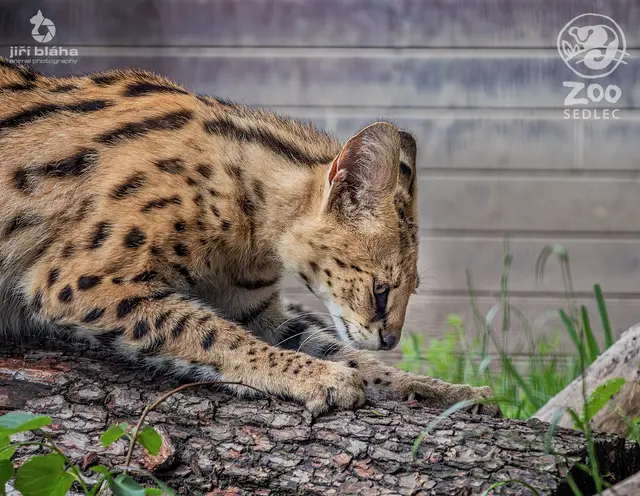
ServalLeptailurus servalFeedingRegular schedule outside weekend eventsWed · October weekend programme: times at the entrance.
Hoofed animals
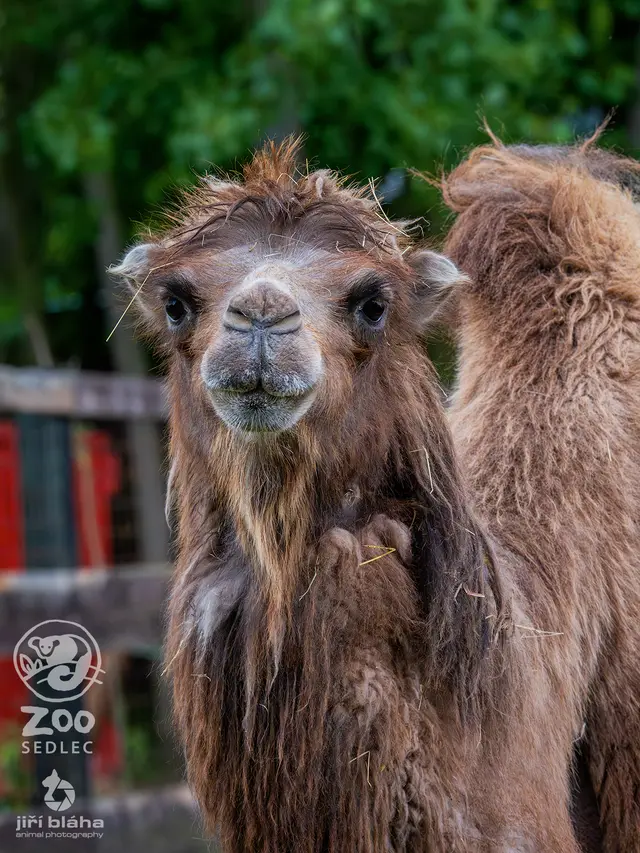
Bactrian CamelCamelus bactrianusFeedingRegular schedule outside weekend eventsTue · October weekend programme: times at the entrance.