Primates
Tufted or brown capuchin
cebus apella
When to see us feeding
Primate feeding
Regular schedule outside weekend events
- Daily ·
10 October – 1 November 2026 · Open every day, 9:00–18:00, on weekdays and weekends. The special October programme takes place at weekends.
The regular feeding schedule continues on weekdays throughout October. On weekends from 10 October to 1 November, check the programme and the entrance for times.
Audio guide
Listen to the story of this animal
Tufted or brown capuchin
- Description
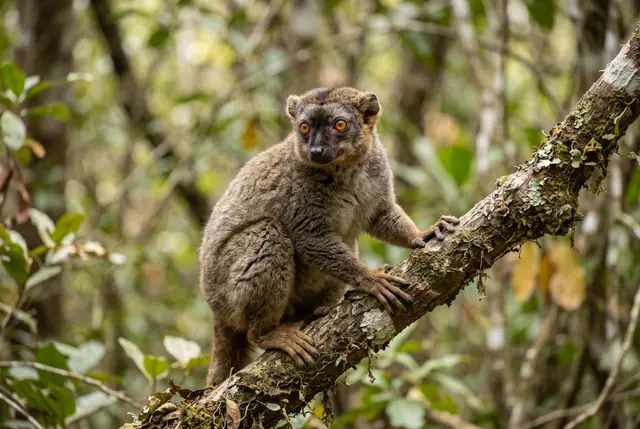
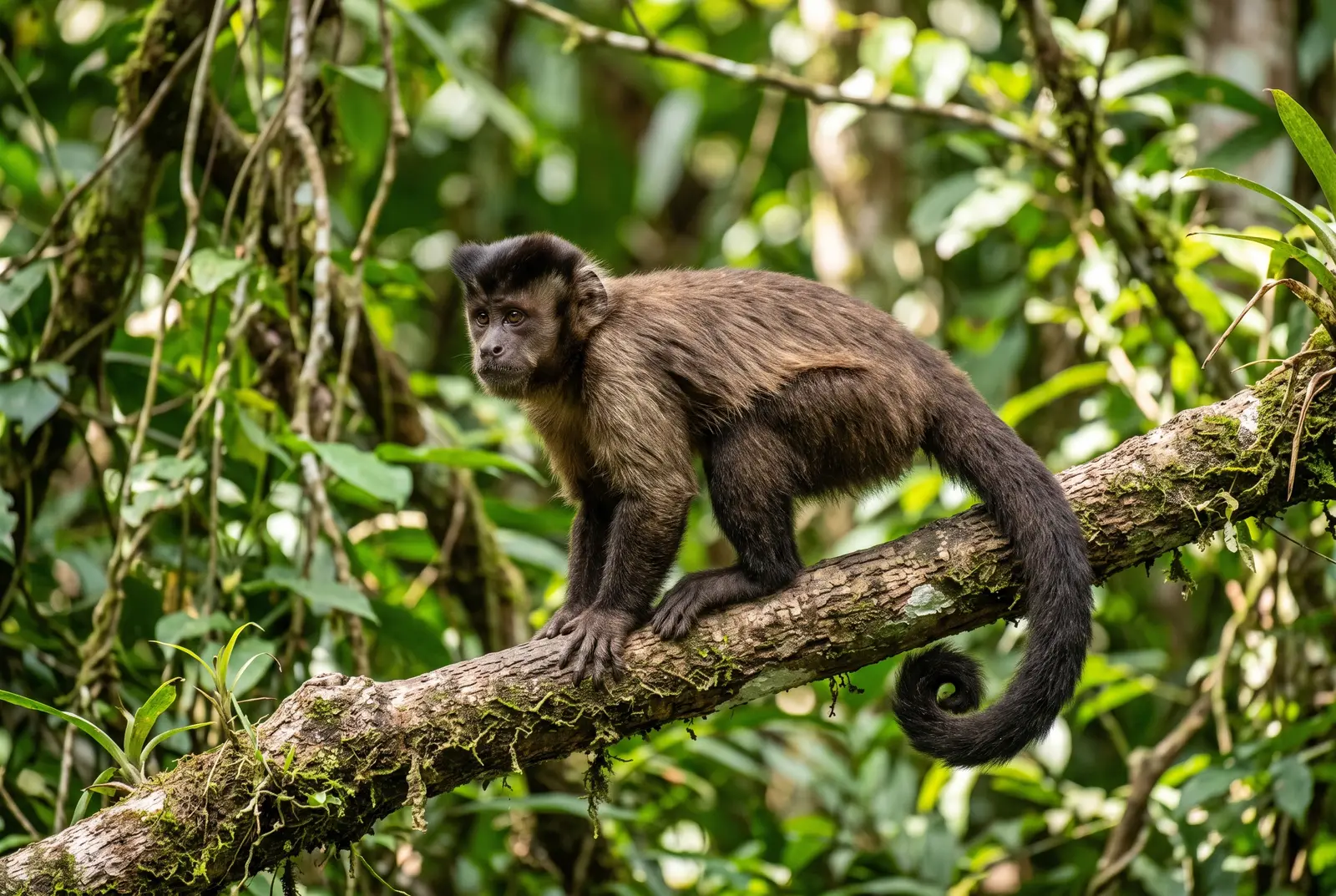
- The tufted or brown capuchin (Sapajus apella, formerly Cebus apella) is a sturdy New World monkey from the forests of South America. Its coat is mostly brown and it is easily recognised by the dark cap of hair and the tuft-like crests above the ears that give it its name. Including the long prehensile tail it measures around a metre, with males noticeably heavier and more powerfully built than females.
- Habitat
- It lives in tropical rainforests and gallery forests across northern South America, above all in the vast Amazon basin. The species spends most of its time climbing in the middle and upper canopy, but also thrives in secondary forest and along rivers. Because it adapts so readily to different habitats, it is not considered threatened.
- Diet
- The brown capuchin is an omnivore. Fruit, nuts and seeds form the bulk of its diet, supplemented with insects, birds' eggs and the occasional small vertebrate. It is famous for cracking hard palm nuts by pounding them with stones, making it one of the few monkeys known to use tools.
- Reproduction
- After a gestation of roughly five to six months the female usually gives birth to a single infant. The youngster rides on its mother's back at first and is nursed and cared for over a long period. Sexual maturity comes at around four to seven years, with females breeding earlier than males.
- Lifespan
- In the wild brown capuchins live for about 15 to 25 years. Under human care, with reliable food and veterinary attention, they live considerably longer and can reach well over 40 years of age.
- Did you know?
- Capuchins rank among the most intelligent monkeys in the Americas. They use stones as hammer and anvil to open nuts, and they rub crushed millipedes into their fur, apparently using the chemicals as a natural insect repellent.
Homeland & habitat
Where the tufted or brown capuchin lives
Spin the globe to see where the species comes from and where it lives today.
South America (Amazon Basin)Lives in the tropical forests of northern South America, especially the Amazon basin.
Drag to rotate · double-click to recentre on the homeland
10 facts about the tufted or brown capuchin
The cards keep rotating — hover with your mouse to pause them.
- GroupPrimatesPrimáti · malpovití
- Scientific namecebus apellaLatin name of the species
- Homeland & habitatObývá tropické deštné a galeriové lesy severní části Jižní Ameriky, především v rozlehlém povodí Amazonky. Většinu času tráví šplháním ve středním a horním patře korun, dobře jí ale vyhovují i druhotné lesy a okolí řek. Díky své přizpůsobivosti patří k druhům, které nejsou ohrožené.
- DietMalpa hnědá je všežravec. Základ jídelníčku tvoří ovoce, ořechy a semena, které doplňuje hmyzem, ptačími vejci a občas i drobnými obratlovci. Proslulá je tím, že tvrdé palmové ořechy rozbíjí kameny, patří tak k mála opicím, které dovedou používat nástroje.
- ReproductionPo březosti trvající zhruba pět až šest měsíců rodí samice obvykle jediné mládě. To se nejprve vozí matce na zádech a je dlouho kojené a opečovávané. Pohlavně dospívají přibližně mezi čtvrtým a sedmým rokem, samice se rozmnožují dříve než samci.
- LifespanVe volné přírodě se malpy hnědé dožívají zhruba 15 až 25 let. V lidské péči, kde mají dostatek potravy a veterinární péči, žijí podstatně déle a výjimečně se dožívají i více než 40 let.
- Conservation statusLeast ConcernAccording to the IUCN Red List
- Did you know…?Malpy patří k nejchytřejším opicím Ameriky. Používají kameny jako kladivo a kovadlinu k rozbíjení ořechů a do srsti si vtírají rozmačkané mnohonožky, jejichž látky jim zřejmě slouží jako přírodní repelent proti hmyzu.
- Where in the zooArea A + the new monkey pavilion
- How many we keep♂ 1 · ♀ 2total: 3
Conservation status
Species vulnerability index
Support the care of our animals
A symbolic adoption contributes to feeding, veterinary care and the development of the exhibits — and you get a certificate and updates about your animal.
Browse adoptionsWho you'll meet nearby
Full encyclopaedia