Primates
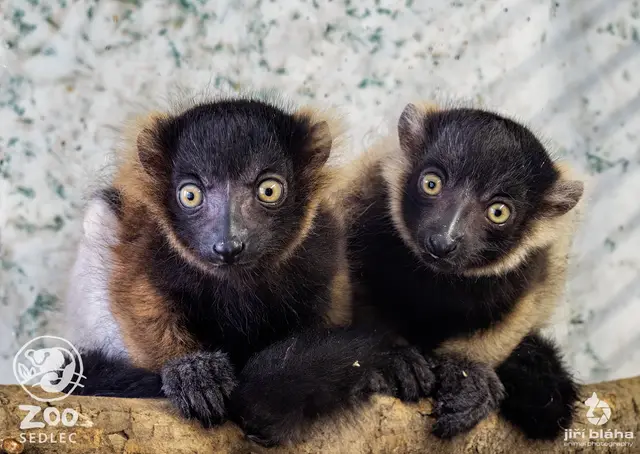
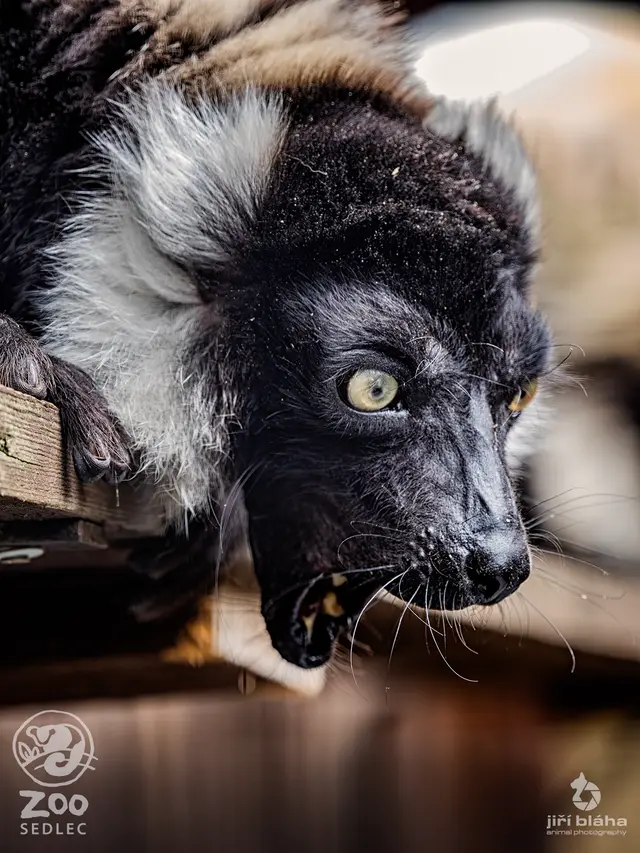
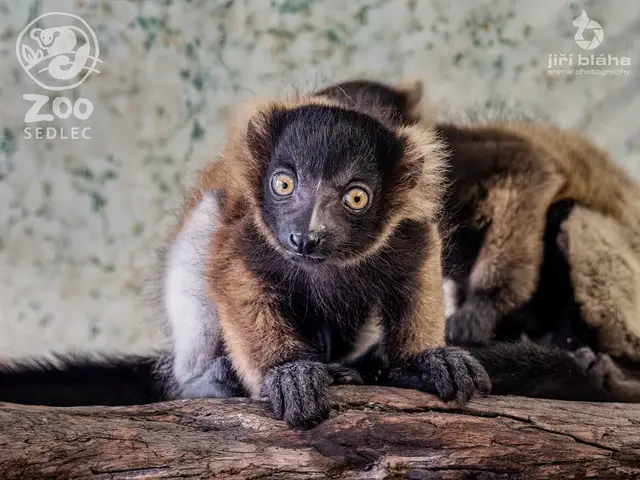
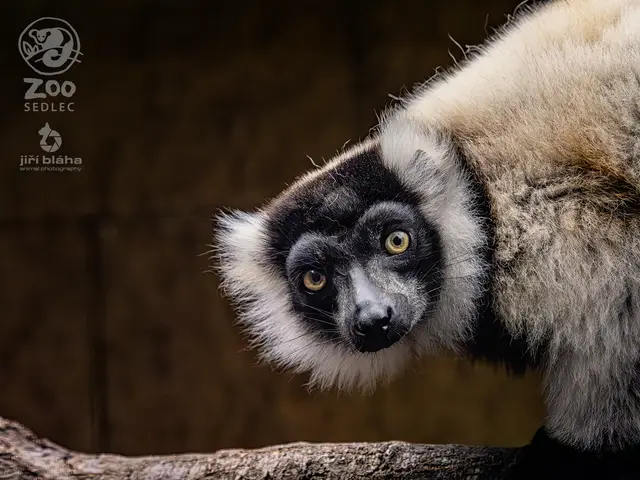
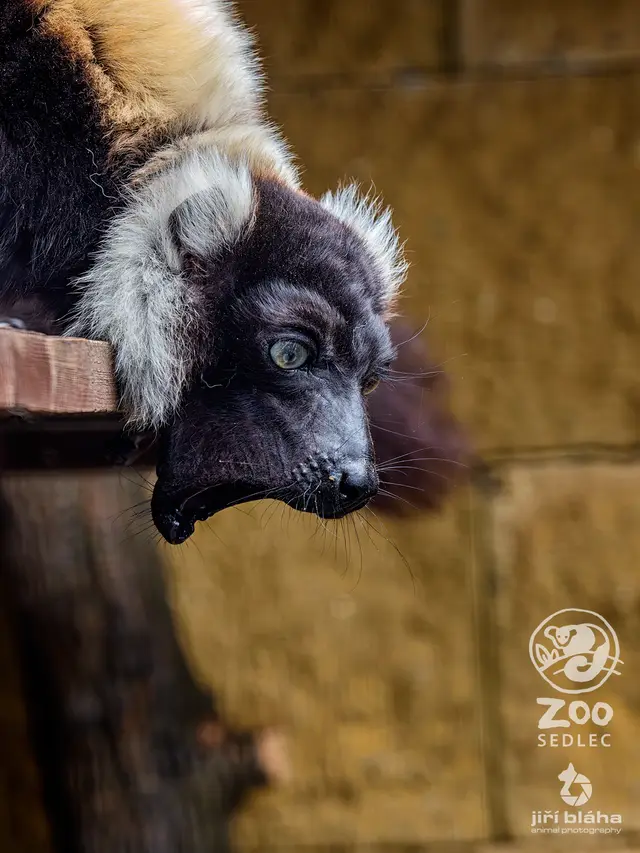
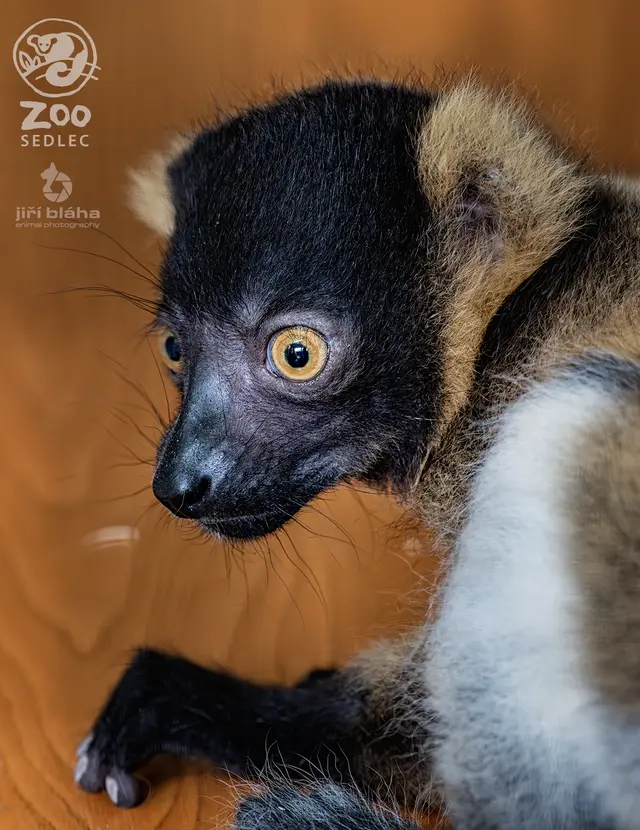
Black-and-white ruffed lemur
Varecia variegata
When to see us feeding
Primate feeding
Regular schedule outside weekend events
- Daily ·
10 October – 1 November 2026 · Open every day, 9:00–18:00, on weekdays and weekends. The special October programme takes place at weekends.
The regular feeding schedule continues on weekdays throughout October. On weekends from 10 October to 1 November, check the programme and the entrance for times.
Audio guide
Listen to the story of this animal
Black-and-white ruffed lemur
- Description
- One of the largest living lemurs, with a head and body of about 43-57 cm plus a bushy tail of 60-65 cm, and a weight of roughly 2.6-4.1 kg. Its striking black-and-white coat, dog-like muzzle and prominent ruff of fur around the neck make it unmistakable, and males and females look alike.
- Habitat
- Endemic to Madagascar, where it lives only in the tropical rainforests along the island's east coast, from sea level up to around 1,300 m. It is a highly arboreal species that favours tall, mature primary forest, and its remaining range is now severely fragmented.
- Diet
- Predominantly frugivorous, with ripe fruit making up the great majority of its diet. It also feeds on nectar, flowers, leaves and seeds, and as it drinks nectar it helps pollinate rainforest plants such as the traveller's palm.
- Reproduction
- Gestation lasts roughly three months (about 90-102 days), after which the female usually gives birth to twins, though litters of up to six young can occur. Unusually for a primate, the mother leaves her babies in a leafy tree nest rather than carrying them on her body.
- Lifespan
- This lemur can live for more than 25 years in human care, with some individuals reaching over 30 years, while wild lifespans are considerably shorter.
- Did you know?
- Groups keep in touch with tremendously loud roaring and shrieking choruses that carry through the forest, making it one of the noisiest of all lemurs. It is also listed as Critically Endangered.
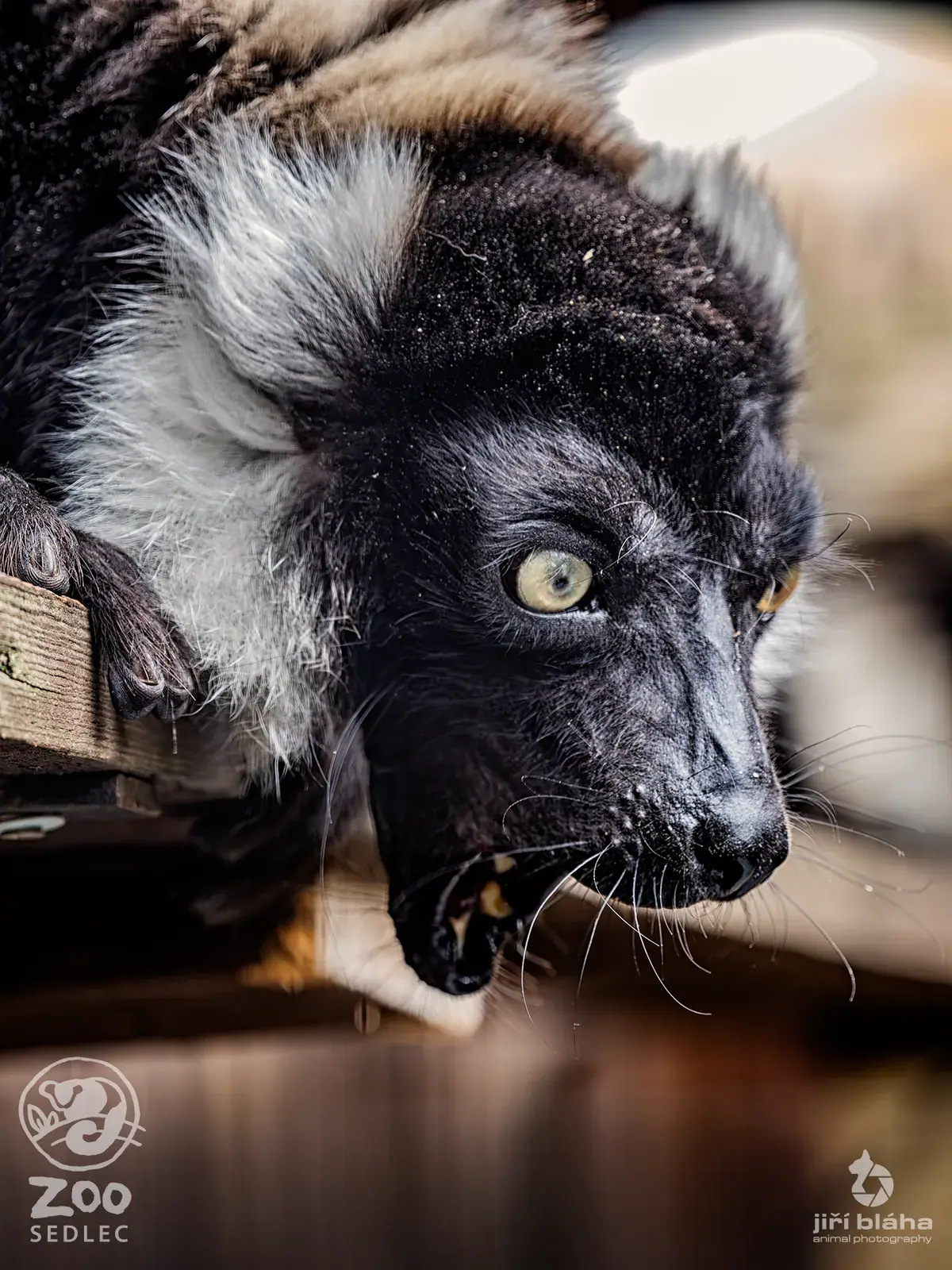
Homeland & habitat
Where the black-and-white ruffed lemur lives
Spin the globe to see where the species comes from and where it lives today.
Eastern MadagascarEndemic to the humid tropical rainforests of eastern Madagascar, where it lives mostly in the tree canopy.
Drag to rotate · double-click to recentre on the homeland
9 facts about the black-and-white ruffed lemur
The cards keep rotating — hover with your mouse to pause them.
- GroupPrimates
- Scientific nameVarecia variegataLatin name of the species
- Homeland & habitatŽije výhradně na Madagaskaru, konkrétně ve vlhkých tropických deštných lesích na východě ostrova. Vyhledává vzrostlé zachovalé porosty a život tráví převážně v korunách stromů. Kvůli mýcení lesů a lovu patří k druhům kriticky ohroženým vyhynutím.
- DietŽiví se především ovocem, které tvoří naprostou většinu jeho jídelníčku. Doplňkově sbírá nektar, květy, listy a semena. Za potravou se pohybuje vysoko ve stromovém patře.
- ReproductionSamice je březí přibližně 100 dní a na rozdíl od většiny lemurů si před porodem staví ve větvích hnízdo. Rodí obvykle dvě mláďata, výjimečně až šest. Novorozená mláďata se nedokážou matce zachytit do srsti, a tak zůstávají zprvu v hnízdě, kde je rodiče hlídají.
- LifespanV lidské péči se dožívá vysokého věku, běžně kolem 25 let a výjimečně i více než 35 let. V přírodě je jeho život kratší, protože ho ohrožují predátoři i mizení pralesů.
- Did you know…?Lemur vari bývá označován za největšího opylovače na světě. Když svým protáhlým čenichem a dlouhým jazykem saje nektar z velkých květů zázvorovníku (madagaskarské "palmy cestovatelů"), zanáší si do srsti pyl a přenáší ho z květu na květ.
- Where in the zooArea A + the new monkey pavilion
- How many we keep♂ 1 · ♀ 1total: 2
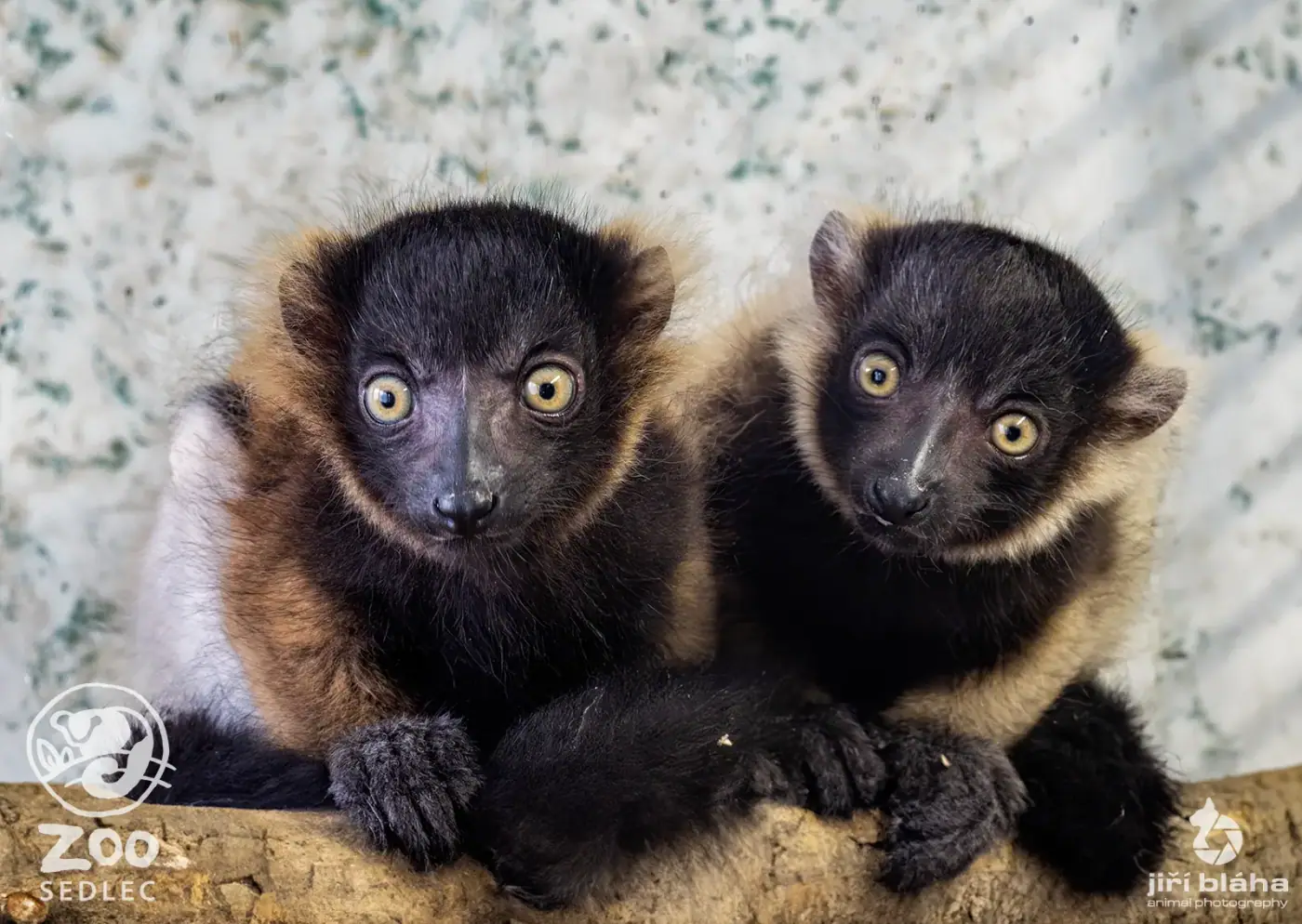
Adopting the black-and-white ruffed lemur helps far beyond the zoo
A symbolic adoption contributes to feeding, veterinary care and the development of the exhibits — and you get a certificate and updates about your animal.
Adopt: Black-and-white ruffed lemurWho you'll meet nearby
Full encyclopaedia