Rodents
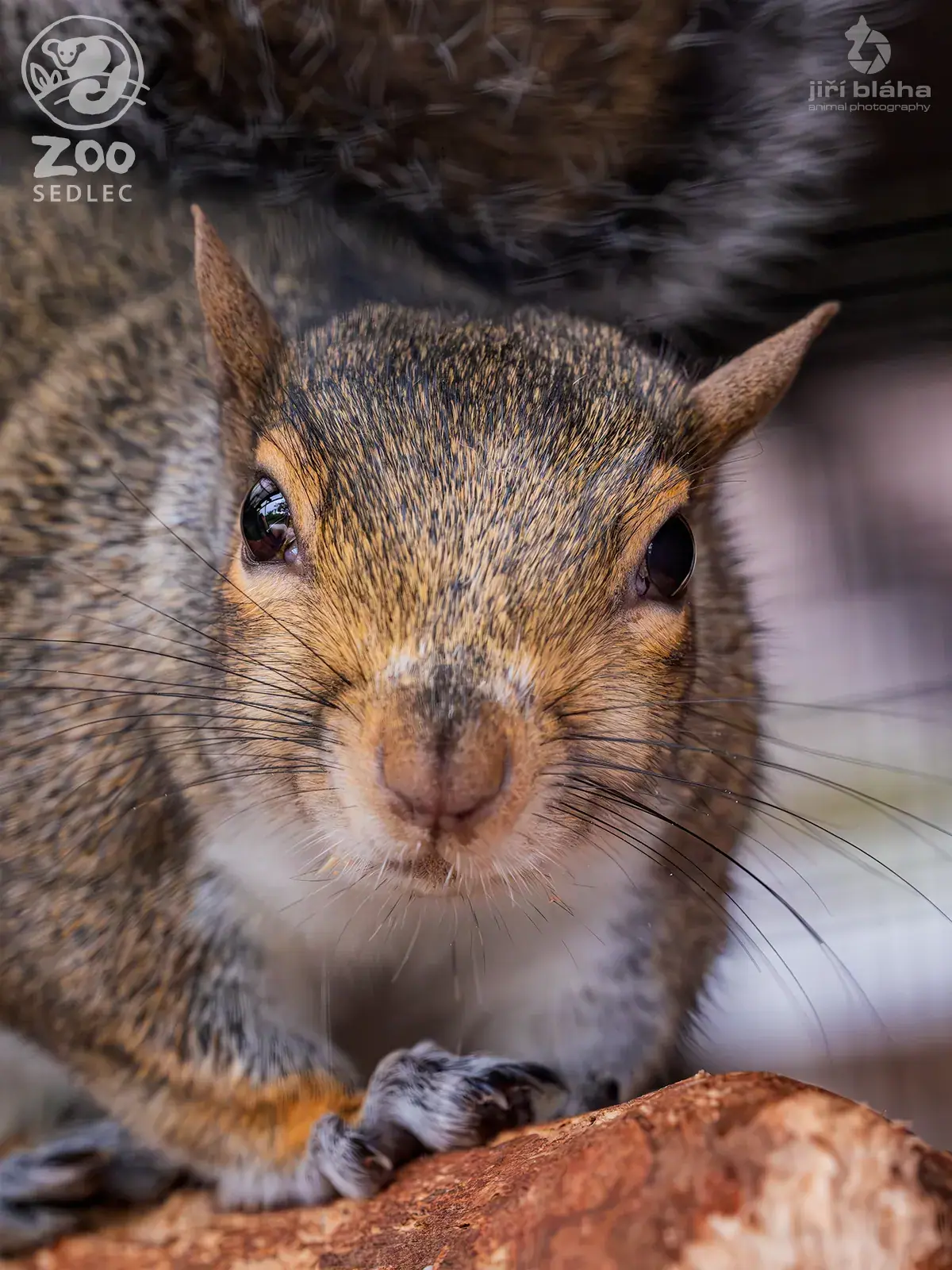
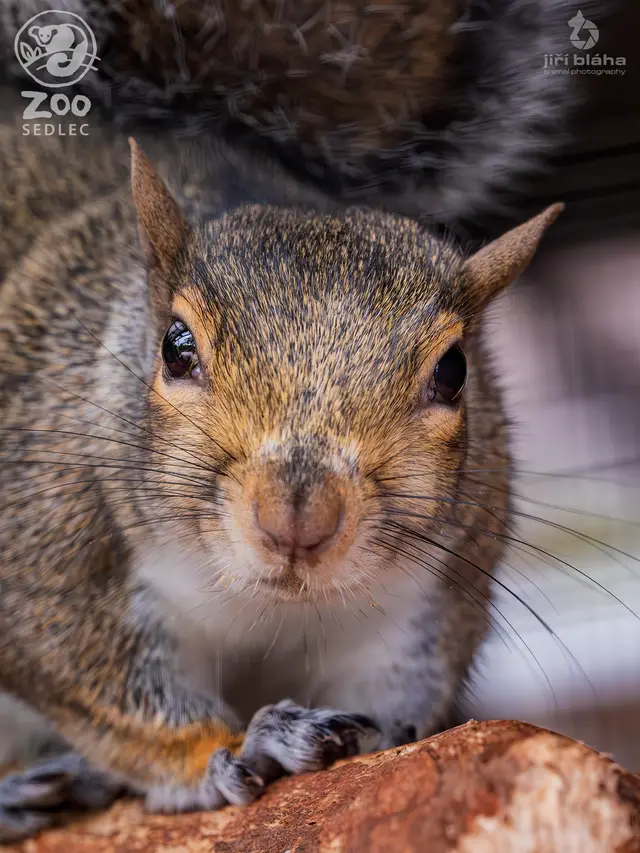
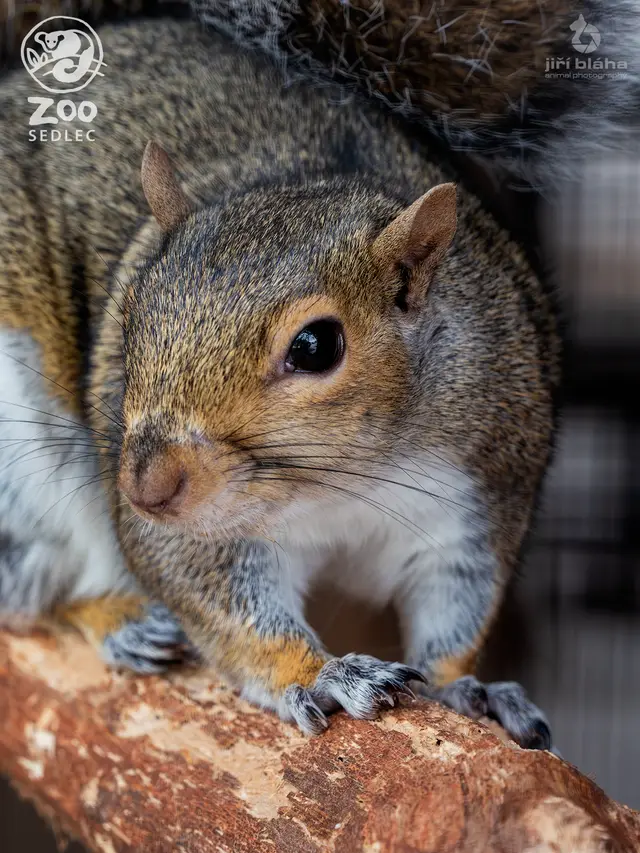
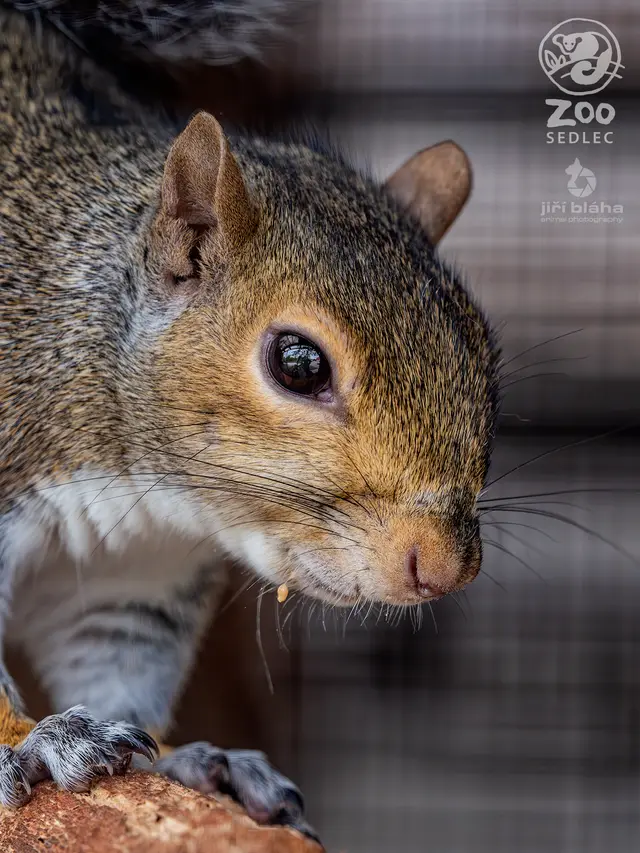
Eastern Grey Squirrel
Sciurus carolinensis
Audio guide
Listen to the story of this animal
0:000:00
Eastern Grey Squirrel
- Description
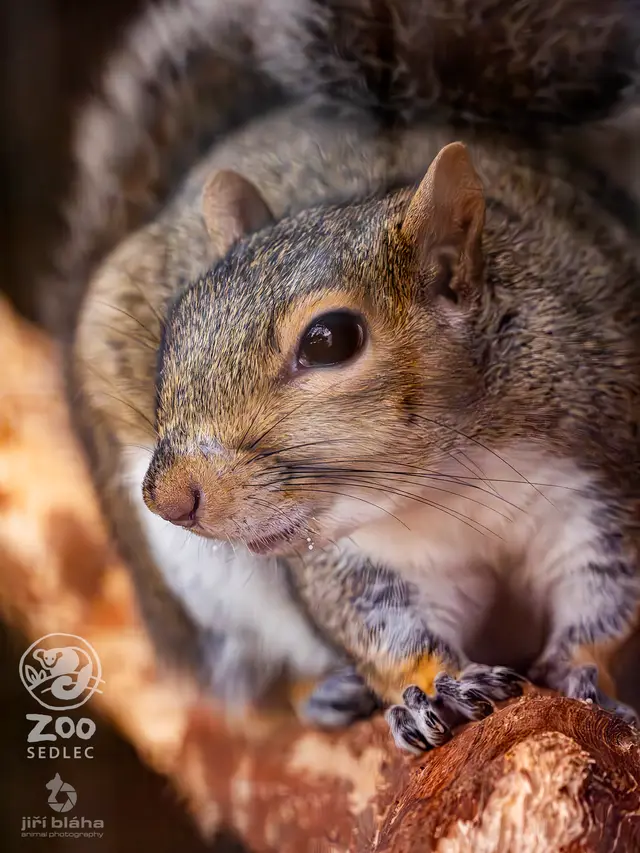
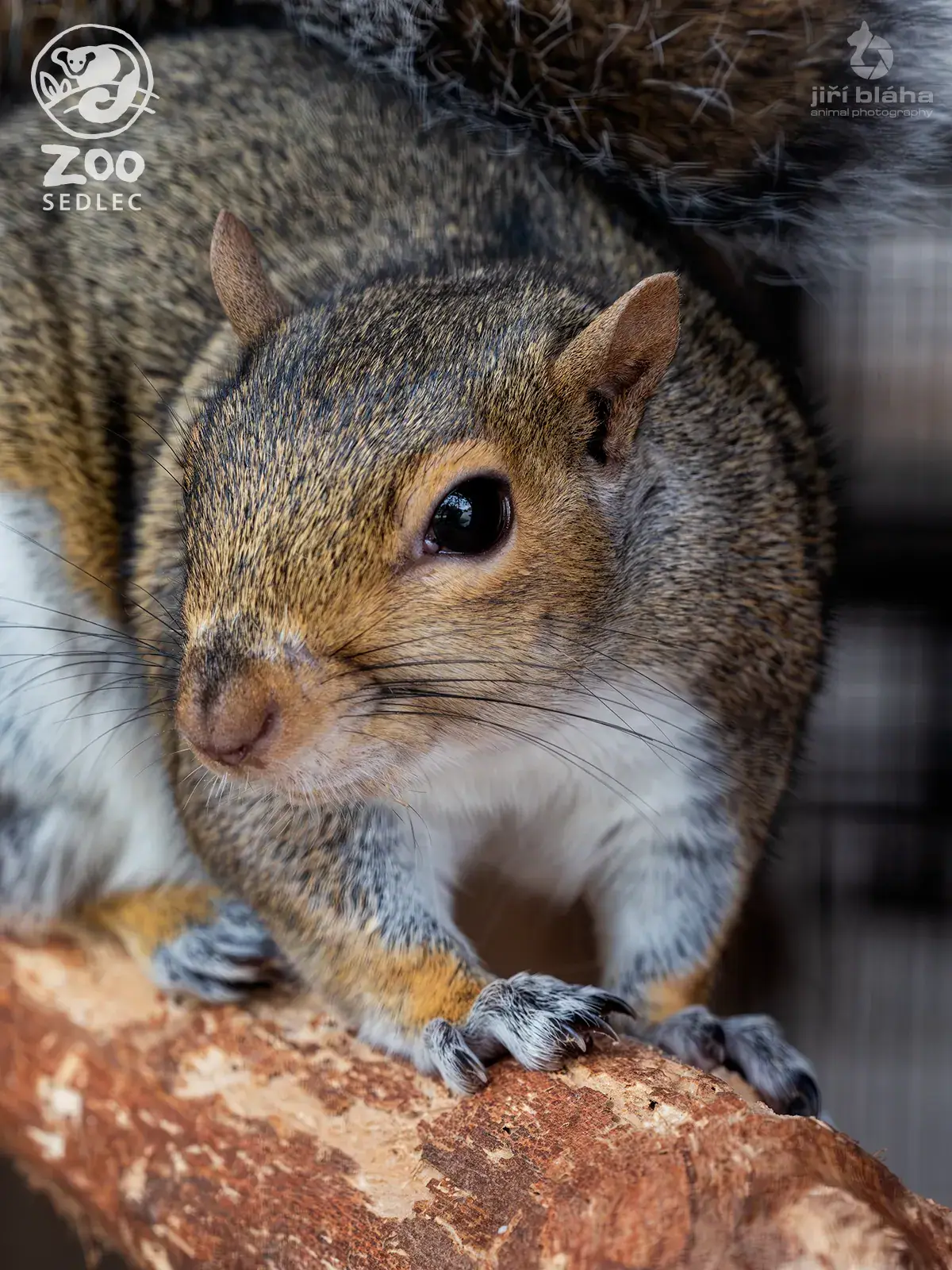
- A medium-sized tree squirrel with predominantly grey fur that can show cinnamon or brownish tones, a pale to white belly, and a large, bushy tail edged in white. Head and body measure about 25 to 28 cm, with a tail nearly as long again, and adults weigh roughly 400 to 600 g. Males and females look alike, showing no notable difference in size or colour.
- Habitat
- It is native to the deciduous and mixed woodlands of eastern North America and southeastern Canada, and readily takes to city parks and gardens. Introduced by people to Britain, Ireland, Italy and elsewhere in Europe, it has spread widely and often outcompetes the native red squirrel.
- Diet
- An opportunistic omnivore, it feeds mainly on nuts, acorns, seeds, buds and tree bark, along with fungi, berries and fruit. It also occasionally takes insects, eggs and other small items, and buries surplus food in scattered caches for the winter.
- Reproduction
- Females typically raise one or two litters a year after a gestation of around 42 to 45 days. A litter usually contains two to four young, which are born blind and hairless and are weaned at about ten weeks of age.
- Lifespan
- In the wild most live only a few years, though survivors may reach 6 to 12 years; in human care they can live considerably longer, occasionally up to about 20 years.
- Did you know?
- The grey squirrel relies on both memory and a keen sense of smell to relocate the many nuts it buries. The nuts it forgets often sprout, so the squirrel unintentionally helps plant new trees across the forest.
Homeland & habitat
Where the eastern grey squirrel lives
Spin the globe to see where the species comes from and where it lives today.
Eastern North AmericaNative to the deciduous and mixed forests of eastern North America, it was introduced by humans especially to the British Isles, where it is an invasive species.
Loading globe…
Native rangeIntroduced / also today
Drag to rotate · double-click to recentre on the homeland
9 facts about the eastern grey squirrel
The cards keep rotating — hover with your mouse to pause them.
- GroupRodents
- Scientific nameSciurus carolinensisLatin name of the species
- Homeland & habitatPůvodně obývá listnaté a smíšené lesy východní části Severní Ameriky, dobře jí ale vyhovují i parky a zahrady ve městech. Člověkem byla zavlečena do řady zemí, zejména na Britské ostrovy, kde se stala nepůvodním a invazním druhem. Zde vytlačuje domácí veverku obecnou (Sciurus vulgaris), protože potravu využívá účinněji a snáší i choroby, jež původnímu druhu škodí.
- DietŽiví se hlavně semeny a plody stromů, především žaludy, ořechy a bukvicemi. Nepohrdne ani pupeny, květy, houbami, kůrou či lesními plody. Občas si přilepší také hmyzem, a vzácněji vejci nebo drobnými živočichy.
- ReproductionSamice se rozmnožuje zpravidla dvakrát do roka, obvykle na konci zimy a v létě. Březost trvá přibližně 44 dní a v jednom vrhu se rodí nejčastěji 2 až 4 slepá a holá mláďata. O potomstvo se stará výhradně matka.
- LifespanV přírodě se dožívá v průměru asi 6 let, mladé jedince však ohrožuje vysoká úmrtnost. V lidské péči, chráněna před predátory a nedostatkem potravy, může žít výrazně déle, výjimečně i kolem 20 let.
- Did you know…?Veverka popelavá je vášnivá „skladnice": na zimu si zakope tisíce zásob semen a oříšků a k jejich hledání používá pozoruhodně dobrou prostorovou paměť. Semena, na která přece jen zapomene, pak vyklíčí, takže tato veverka nechtěně vysazuje nové stromy a patří k důležitým obnovitelům lesa.
- Where in the zooArea A — aviaries and exhibits
- How many we keep♂ 1 · ♀ 2total: 3
Support the care of our animals
A symbolic adoption contributes to feeding, veterinary care and the development of the exhibits — and you get a certificate and updates about your animal.
Browse adoptions