Birds
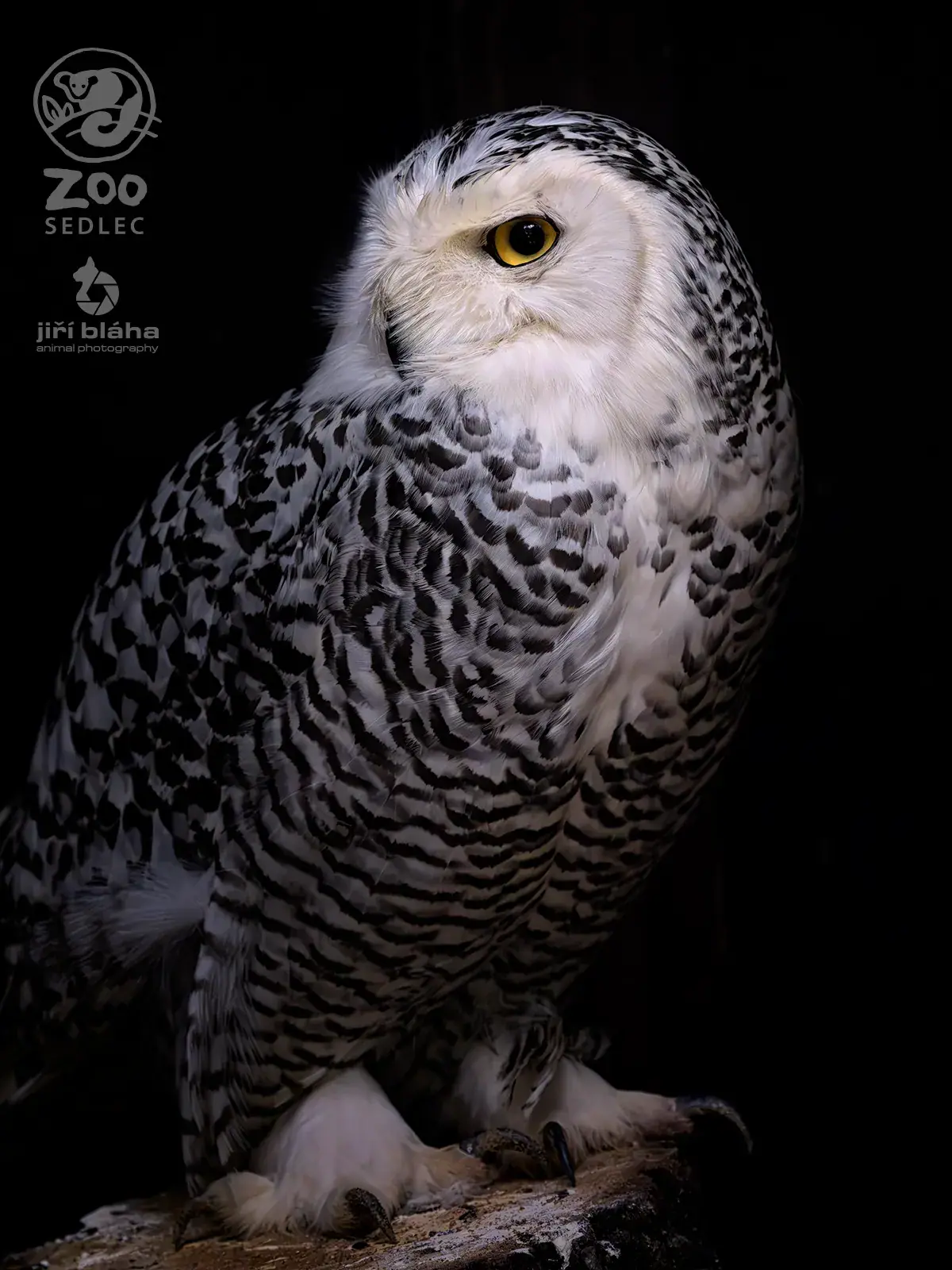
Snowy owl
Nyctea scandiaca
IUCN Red ListLeast Concern
Audio guide
Listen to the story of this animal
0:000:00
Snowy owl
- Description
- It is a massive owl almost the size of a great owl. Their body length is 53-65 cm. The weight of males varies between 700 and 2500 g, and females between 780 and 2950 g. Males have only a few scattered dark spots on their white plumage, while females have more extensive dark flecks.
- Habitat
- They nest in tundra and highlands above the forest line in Europe, Asia, Greenland, and Canada.
- Diet
- They feed mainly on rodents, small birds, amphibians, and mammals.
- Reproduction
- They lay between seven and twelve eggs, which they brood for 30-33 days.
- Lifespan
- Approximately 6 years, in captivity as much as 20 years
- Did you know?
- They can endure starvation for up to 40 days, whereby their fat pad under their feathers decreases by 2 cm (they save energy by staying almost completely motionless).
Homeland & habitat
Where the snowy owl lives
Spin the globe to see where the species comes from and where it lives today.
Arctic tundraThe snowy owl breeds in the Arctic tundra across North America, Greenland and northern Eurasia, wandering farther south in winter.
Loading globe…
Native range
Drag to rotate · double-click to recentre on the homeland
10 facts about the snowy owl
The cards keep rotating — hover with your mouse to pause them.
- GroupBirdsStrigiformes (sovy) · Strigidae (sovy pravé)
- Scientific nameNyctea scandiacaLatin name of the species
- Homeland & habitatTundra, otevřené arktické oblasti severní Evropy, Asie a Severní Ameriky.
- DietPřevážně ptáci a savci
- ReproductionSamice snáší 3–11 vajec do hnízda na zemi, inkubace trvá asi 32–34 dní.
- LifespanV přírodě 10–15 let, v zajetí až 28 let.
- Conservation statusLeast ConcernAccording to the IUCN Red List
- Did you know…?Mnohé populace jsou sezónně migrující, zejména když dochází k poklesu populace hlodavců.
- Where in the zooArea A — aviaries and exhibits
- How many we keep♂ 1 · ♀ 1total: 2
Conservation status
Species vulnerability index
Least Concern
Near Threatened
Vulnerable
Endangered
Critically Endangered
LC – málo dotčená (Least Concern) podle IUCN
Adopting the snowy owl helps far beyond the zoo
A symbolic adoption contributes to feeding, veterinary care and the development of the exhibits — and you get a certificate and updates about your animal.
Adopt: Snowy owl